Case File · Space Mysteries
Case File: Consciousness Is a Very Rare & Precious Thing
Examining Elon Musk’s argument for preserving consciousness through a multiplanetary future.
🛸 AlienTube Investigator
⚡ Powered by GrokAsk anything about this sighting. Your first question is free — sign in or share on 𝕏 for more.
- Date
- Unknown
- Location
- Unknown
- Classification
- Space advocacy / consciousness
- Key witnesses
- Not applicable
Overview
“Consciousness is a very rare & precious thing” frames a question at the intersection of space exploration, existential risk, and the search for extraterrestrial intelligence: if conscious life is uncommon, what responsibility do humans have to protect it?
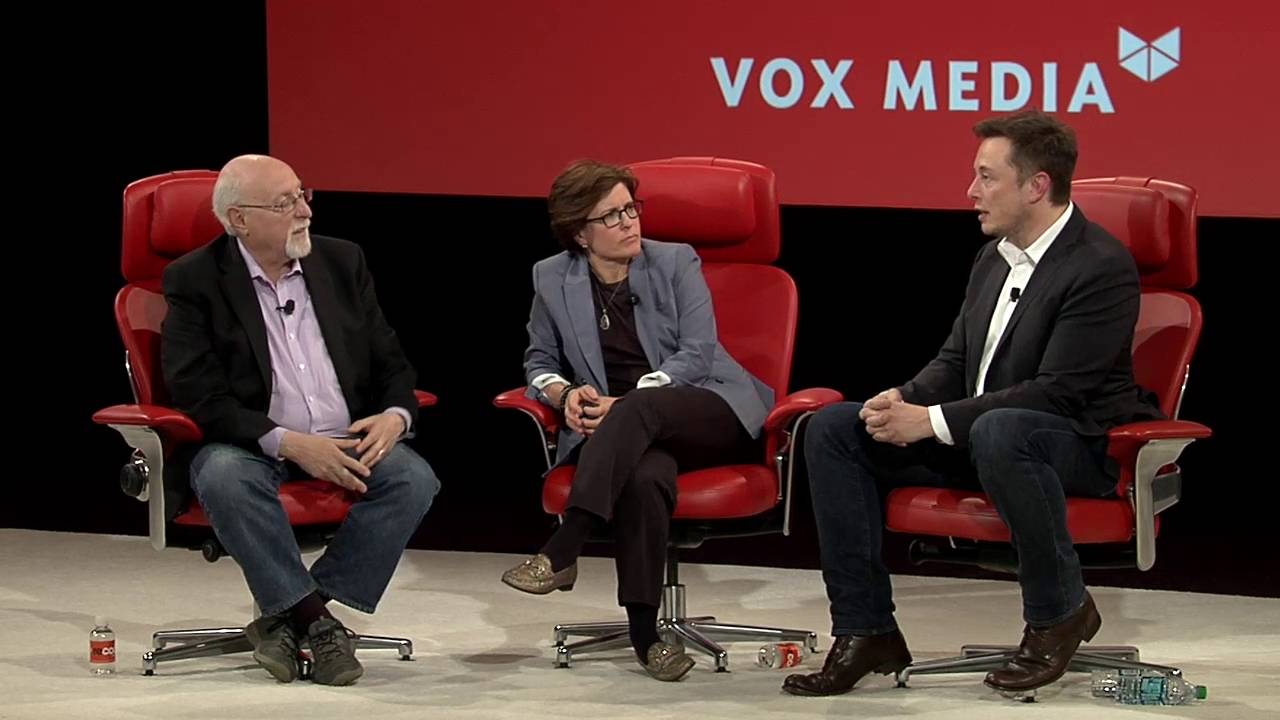
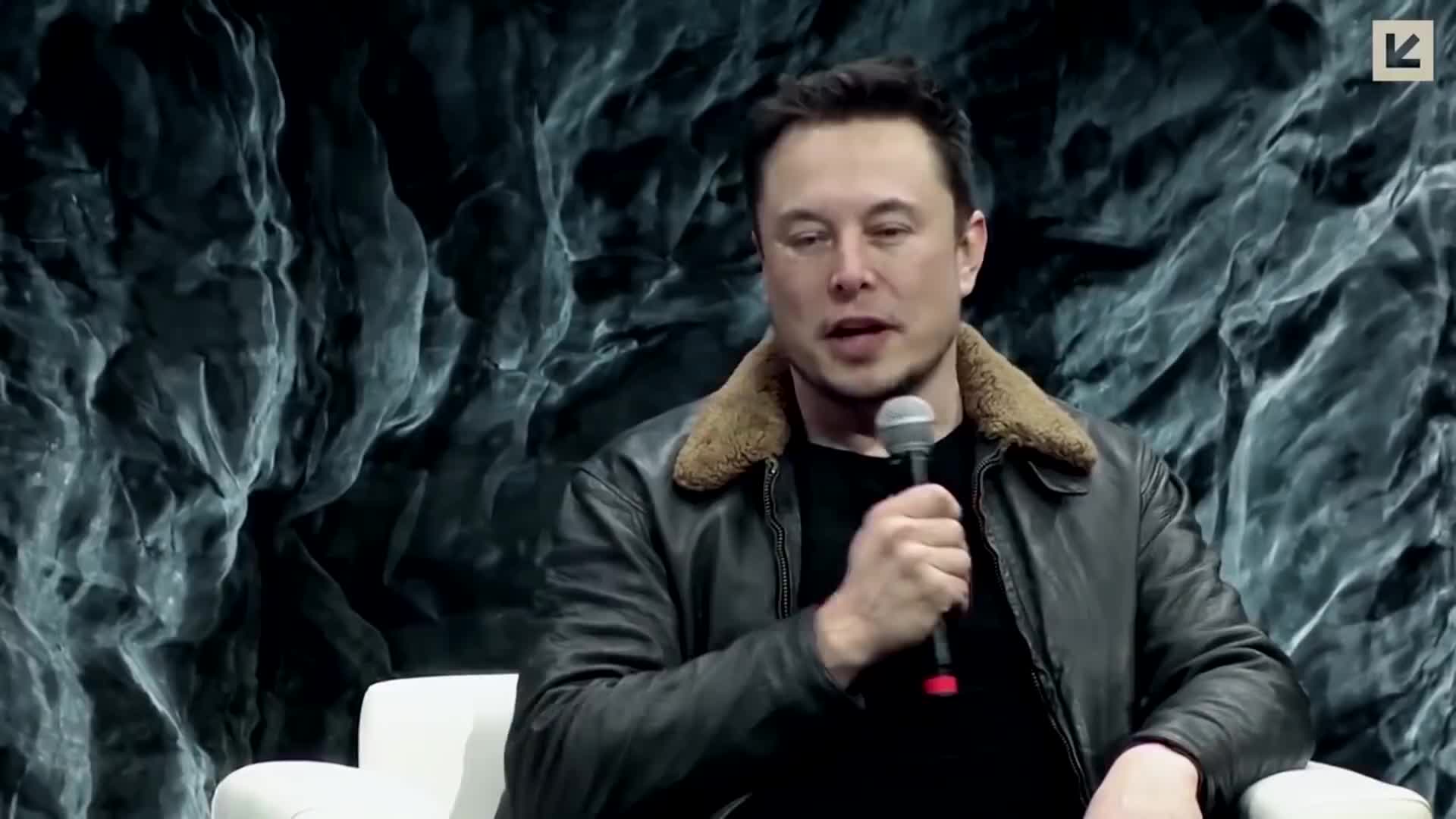
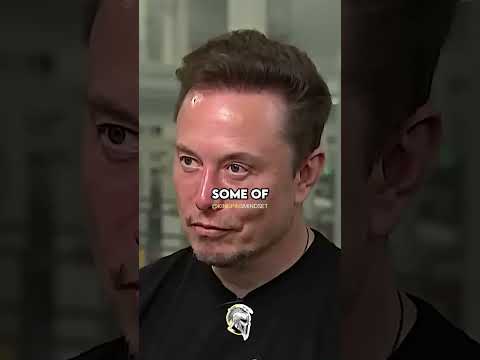
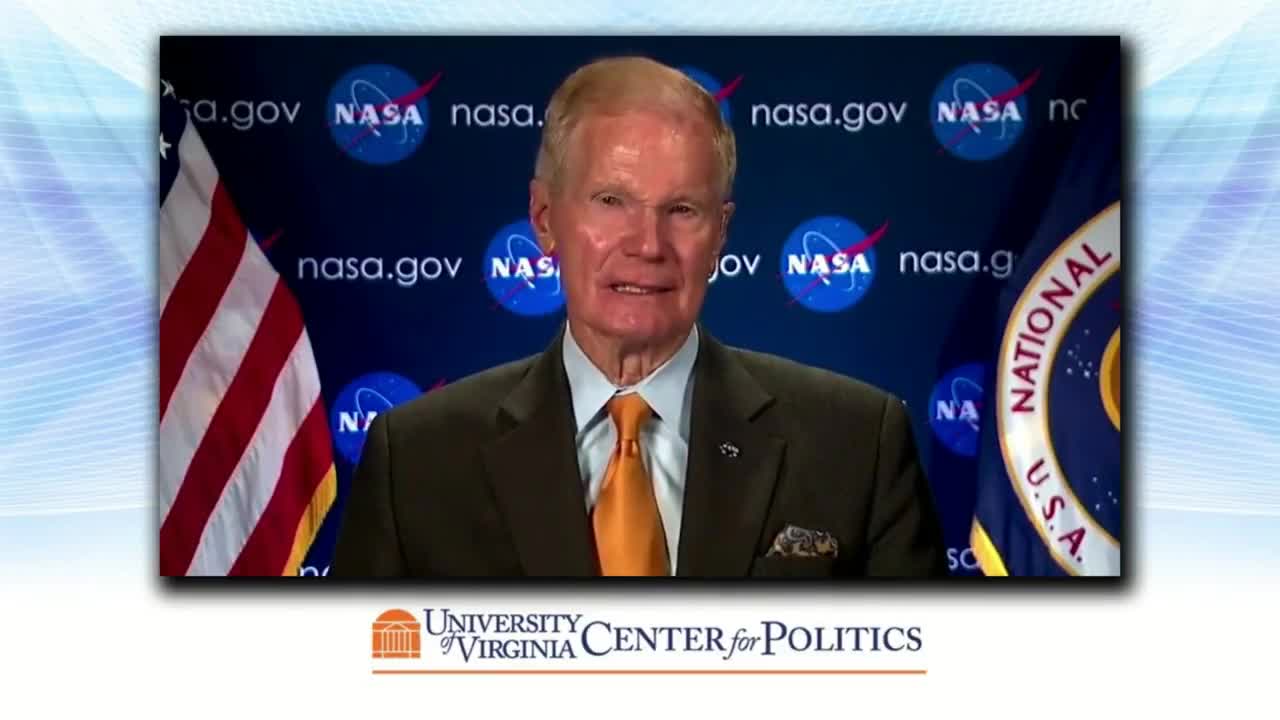
The supplied video description attributes this statement to Elon Musk: “It appears that consciousness is a very rare & precious thing, and we should take whatever steps we can to preserve the light of consciousness. [...] We should become a multi-planet civilization while that window is open.”
This is not a UFO sighting, an alien-contact report, or evidence of a classified discovery. It is an argument for expanding civilization beyond Earth. Its central premise—that consciousness appears rare—deserves scrutiny alongside its proposed solution.
The original recording’s date, venue, and full context are not provided. The ellipsis also indicates omitted material. This dossier therefore examines the supplied quotation and its scientific implications without treating the excerpt as a complete transcript.
The Incident & Timeline
What the available record establishes
The material supplied consists of a video title and a description attributing an excerpt to Musk. It does not establish when the remarks were delivered or whether the video contains the entire statement.
A reliable event-by-event timeline cannot be reconstructed from that information alone. The identifiable sequence is argumentative rather than chronological:
- Premise: Consciousness appears to be rare and valuable.
- Priority: Humanity should take steps to preserve it.
- Proposal: Civilization should become multiplanetary.
- Urgency: The opportunity to do so may not remain available indefinitely.
The phrase “while that window is open” suggests concern about the durability of technological capability or favorable conditions. The excerpt does not identify a particular threat, deadline, or forecast. Assigning one would go beyond the evidence.
The broader spaceflight context
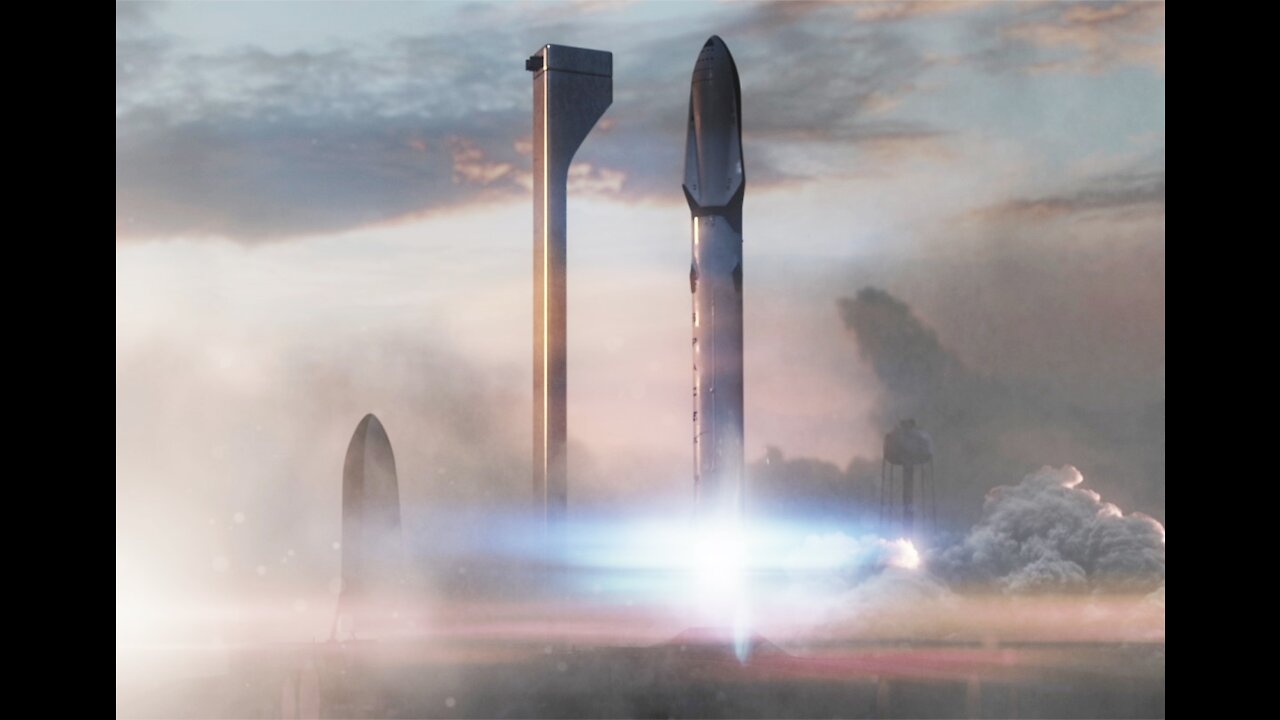
Musk’s advocacy is consistent with SpaceX’s publicly stated ambition to help make humanity multiplanetary. That context helps explain the quotation, but it does not independently verify its source.
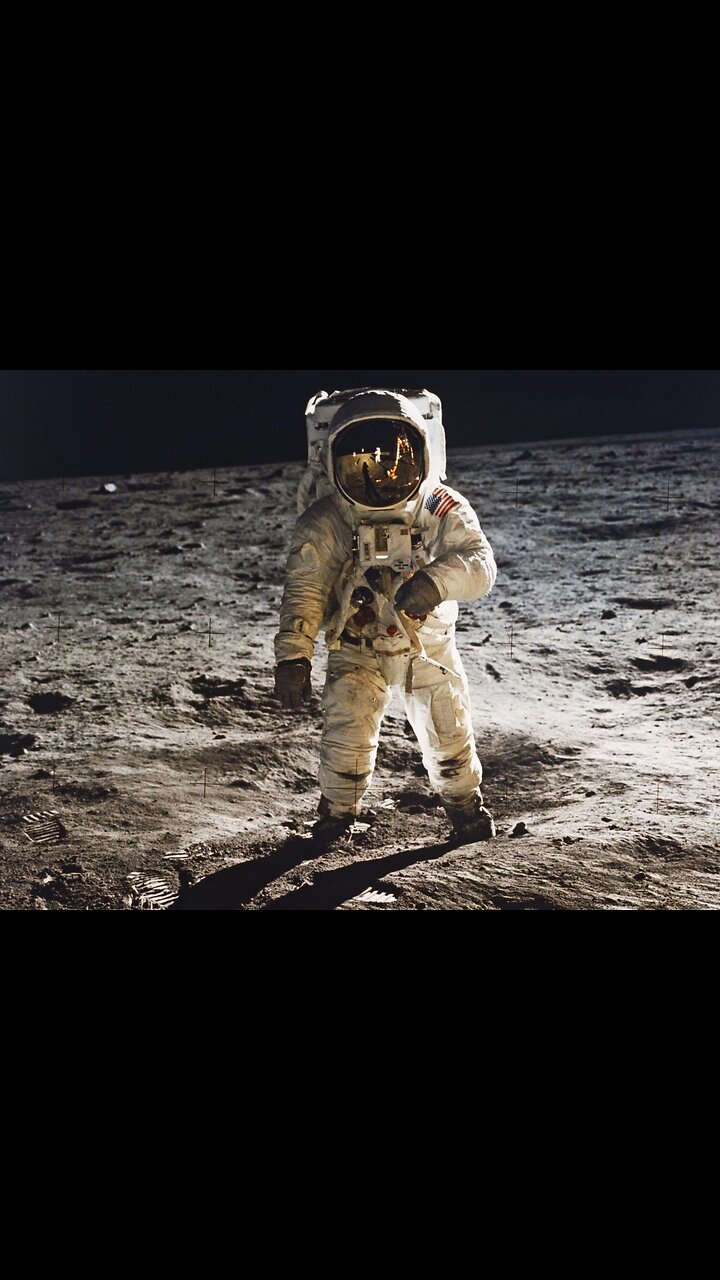
Humanity has demonstrated crewed spaceflight, lunar landings, and extended habitation in low Earth orbit. Those accomplishments remain distinct from establishing a self-sustaining civilization elsewhere. No settlement beyond Earth has demonstrated independence from terrestrial supplies, infrastructure, and technical support.
Evidence
What supports the underlying concern?
Earth is the only world known to host life. Humans also have direct personal experience of consciousness and substantial behavioral and neurological grounds for attributing conscious experience to other humans and many animals. Exactly which organisms are conscious, and in what ways, remains an active research question.
There is no confirmed detection of extraterrestrial life or an extraterrestrial technological civilization. This supports a cautious statement: we do not currently know of consciousness originating beyond Earth. It does not establish that consciousness is cosmically rare.
The distinction matters because our observations are limited:
- Searches for extraterrestrial intelligence examine only portions of the possible signals, frequencies, locations, and times.
- Planetary exploration has investigated only a tiny fraction of potentially habitable environments.
- Exoplanet observations can constrain habitability but cannot directly determine whether inhabitants have subjective experiences.
- There is no universally accepted test for consciousness that could readily be applied to unfamiliar extraterrestrial biology.
What the quotation cannot demonstrate
The excerpt supplies no astronomical measurements, consciousness experiments, or quantitative risk assessment. It is advocacy, not a scientific result.
Likewise, the existence of many planets does not tell us how often life emerges, how frequently intelligence evolves, or how long technological civilizations survive. Those unknowns prevent a confident estimate of consciousness’s abundance.
For UFO and UAP research, the boundary is equally important: an unidentified observation is not, by itself, evidence of extraterrestrial life. Nothing in the supplied description connects the statement to a particular UAP case.
Official Explanations
No incident-specific official finding
Because this is a philosophical and strategic statement rather than a reported encounter, there is no incident-specific official explanation to assess. The supplied material contains no investigative report or agency conclusion.
Relevant scientific frameworks offer context instead. Astrobiology investigates life’s origins, distribution, and potential environments. SETI searches for evidence of extraterrestrial technology. Neuroscience and consciousness research investigate the relationship between physical processes and subjective experience. None has established how common consciousness is across the universe.
Multiplanetary settlement as risk reduction
The strongest version of the settlement argument is that geographically independent populations could reduce vulnerability to disasters confined to one planet. A genuinely self-sufficient off-world civilization might preserve human life and knowledge if Earth suffered a catastrophe.
However, independence is the crucial condition. An outpost dependent on Earth for food, replacement equipment, medicine, or manufacturing would remain vulnerable to terrestrial disruption.
Off-world expansion also would not automatically solve threats that could affect multiple settlements, including conflict or dangerous technologies. Planetary defense, pandemic preparedness, environmental protection, and resilient infrastructure remain relevant whether or not humanity settles elsewhere.
Unexplained Anomalies
The unanswered questions—not physical anomalies
There are no documented anomalous objects, sensor readings, or unexplained physical events in this case. The unresolved issues concern knowledge and interpretation.
Is consciousness rare, or merely hard to detect? Our inability to observe it elsewhere may reflect scarcity, observational limits, or both. Current evidence cannot reliably separate those possibilities.
Does preserving humanity preserve all that matters about consciousness? Human survival and the survival of conscious experience are related but not identical. Animal consciousness complicates a purely human-centered framing, while the possibility of artificial consciousness remains unsettled.
Would a second inhabited planet be sufficient? Survival would depend on population health, ecology, governance, energy, manufacturing, and long-term independence—not simply reaching another destination.
How urgent is the opportunity? The excerpt offers no measurable closing date. Any specific claim about an imminent deadline would require evidence beyond the quotation.
These questions are not proof that the argument is wrong. They identify where its assumptions remain untested or incomplete.
Why It Still Matters
The quotation gives space exploration an ethical purpose: protecting the capacity to experience, understand, and value the universe. That is a consequential idea even though the frequency of consciousness remains unknown.
Its strongest defensible conclusion is modest. Earth hosts the only life we currently know, and safeguarding it deserves serious attention. Whether off-world settlement is the most effective additional protection depends on feasibility, independence, costs, and competing priorities.
For AlienTube viewers, this case also illustrates a useful investigative habit: separate an inspiring proposition from an established finding. Uncertainty about extraterrestrial consciousness should motivate research, not be converted into proof of either cosmic solitude or alien visitation.
Watch the video and cast your verdict: is becoming multiplanetary essential to preserving consciousness?
🛸 Community Verdict
0 votes castTap an option to vote
🛸 Spread the truth · Share this case file