Case File · Documentaries
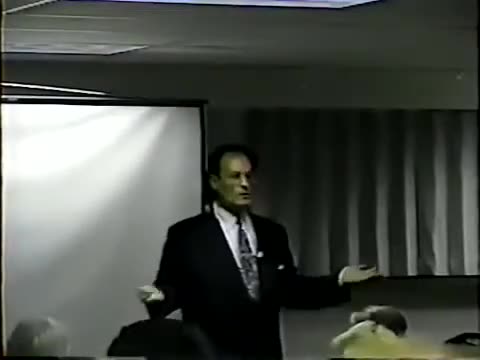
Alex Collier’s Moon and Alien Claims: The “Rare 30-Year-Old Video” Case File
Examining an unverified vintage lecture, Andromedan contact claims, and what lunar science actually supports.
🛸 AlienTube Investigator
⚡ Powered by GrokAsk anything about this video. Your first question is free — sign in or share on 𝕏 for more.
- Date
- Unknown; reportedly 1990s
- Location
- Unknown
- Classification
- Unverified contactee account
- Key witnesses
- Alex Collier; audience unknown
Overview
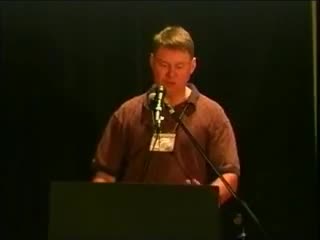
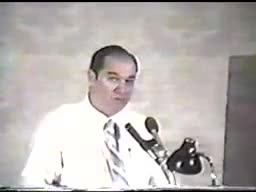
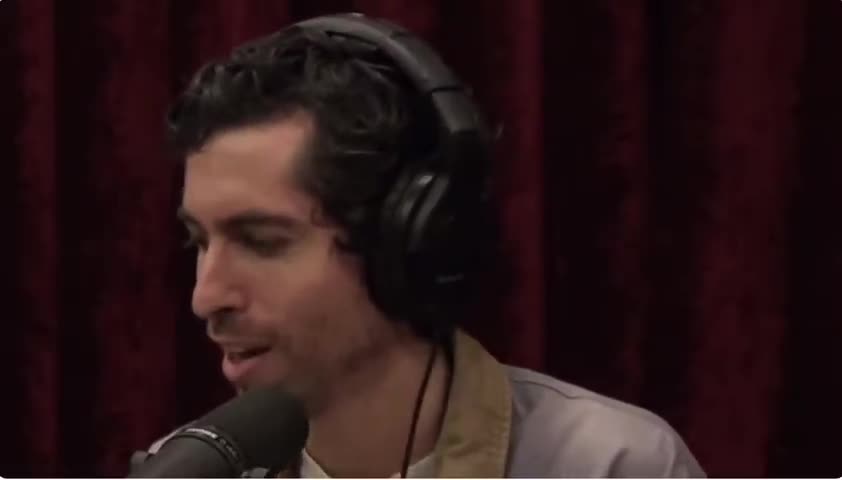
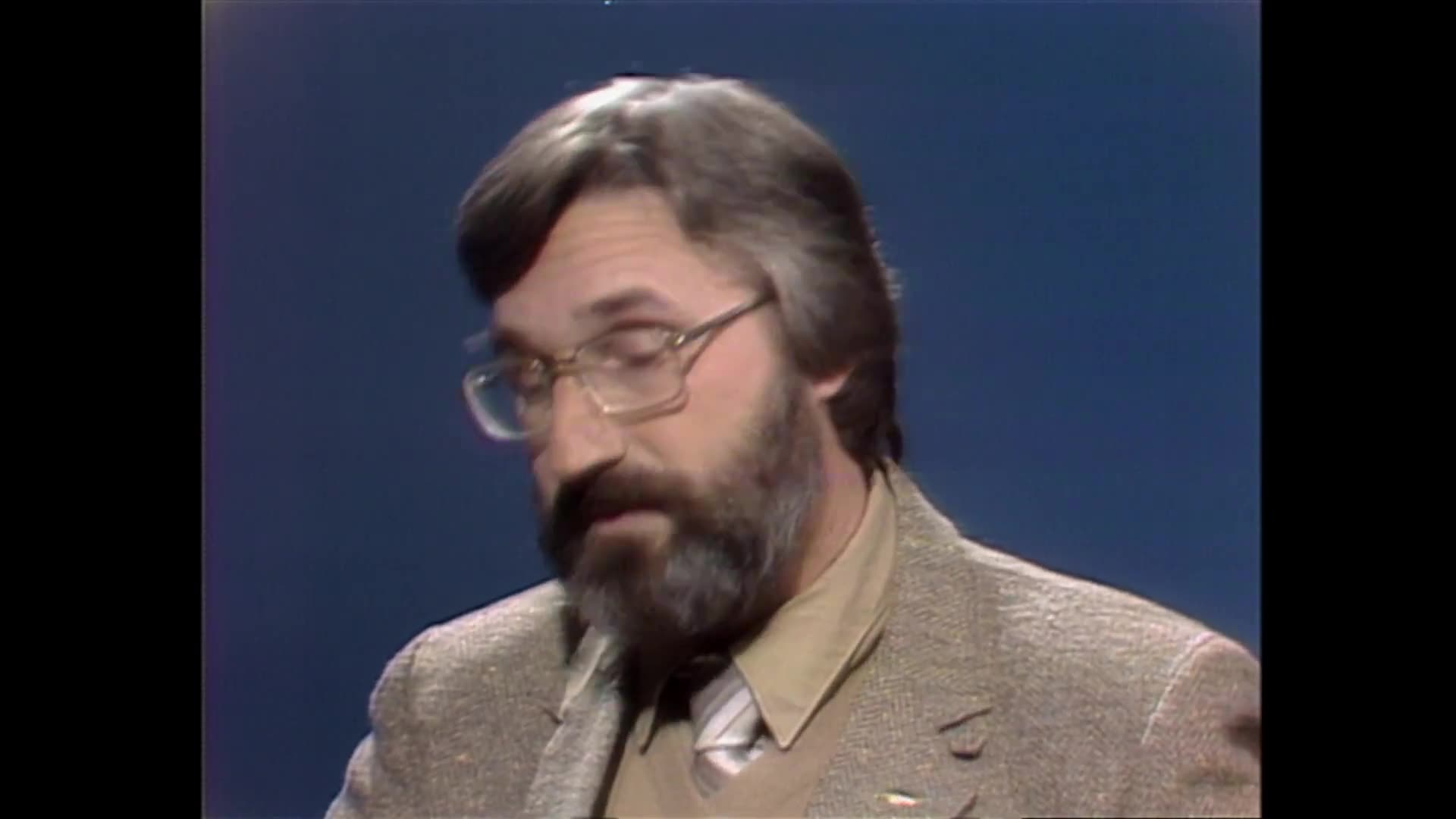
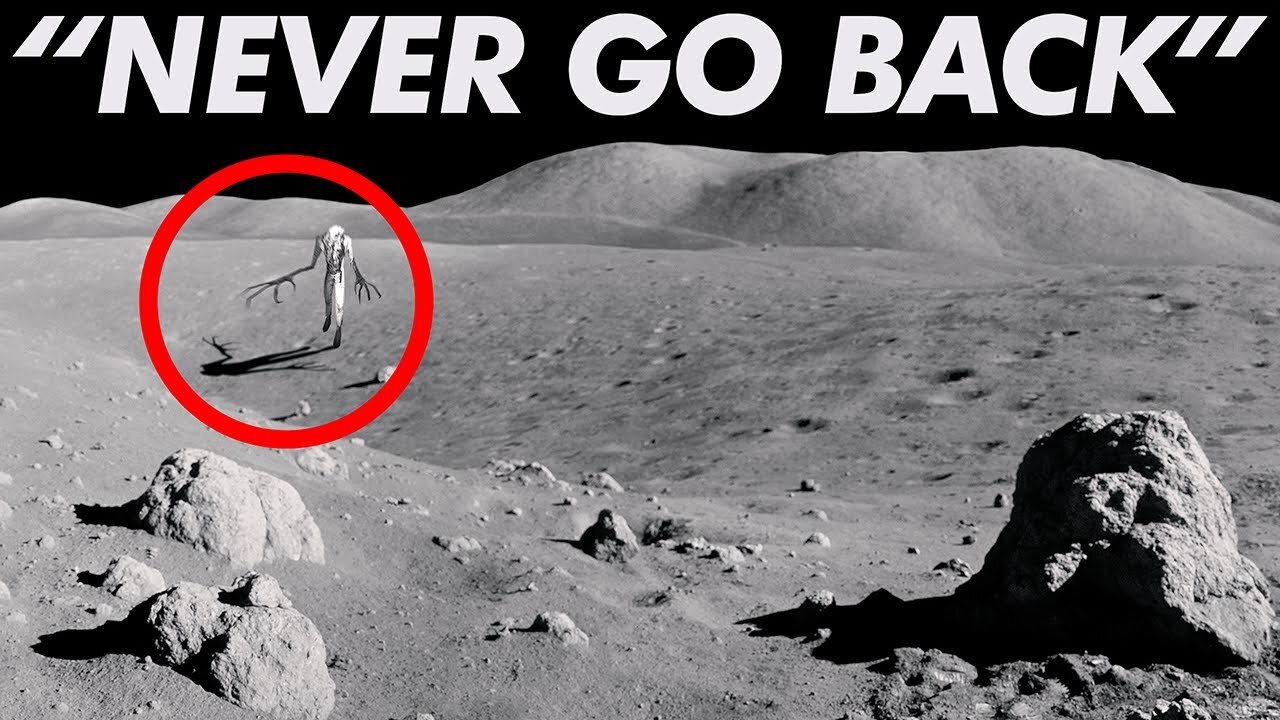
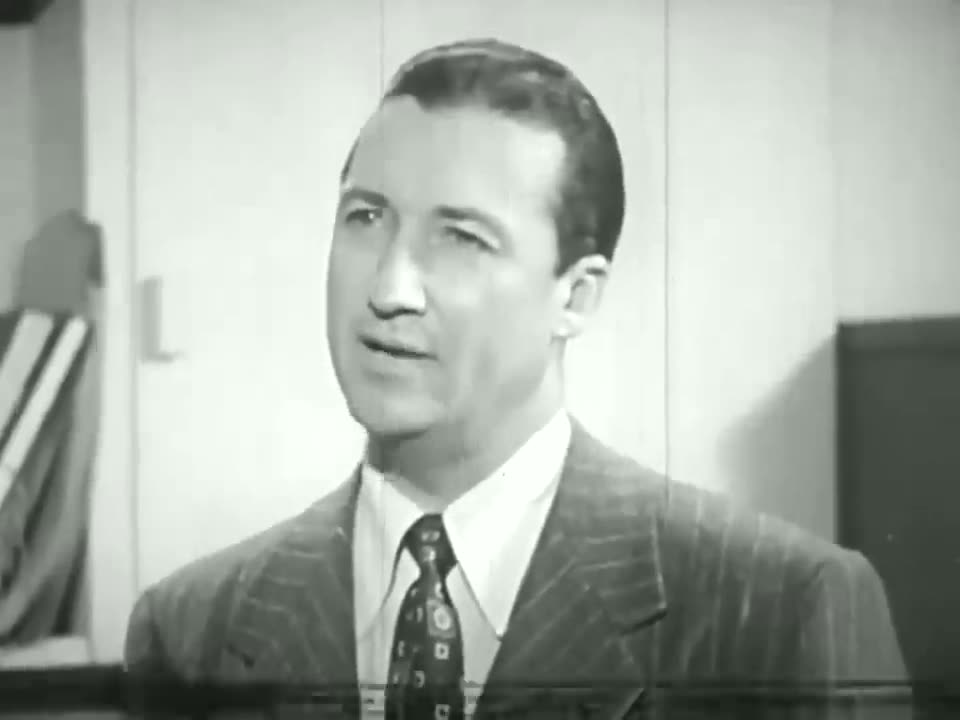
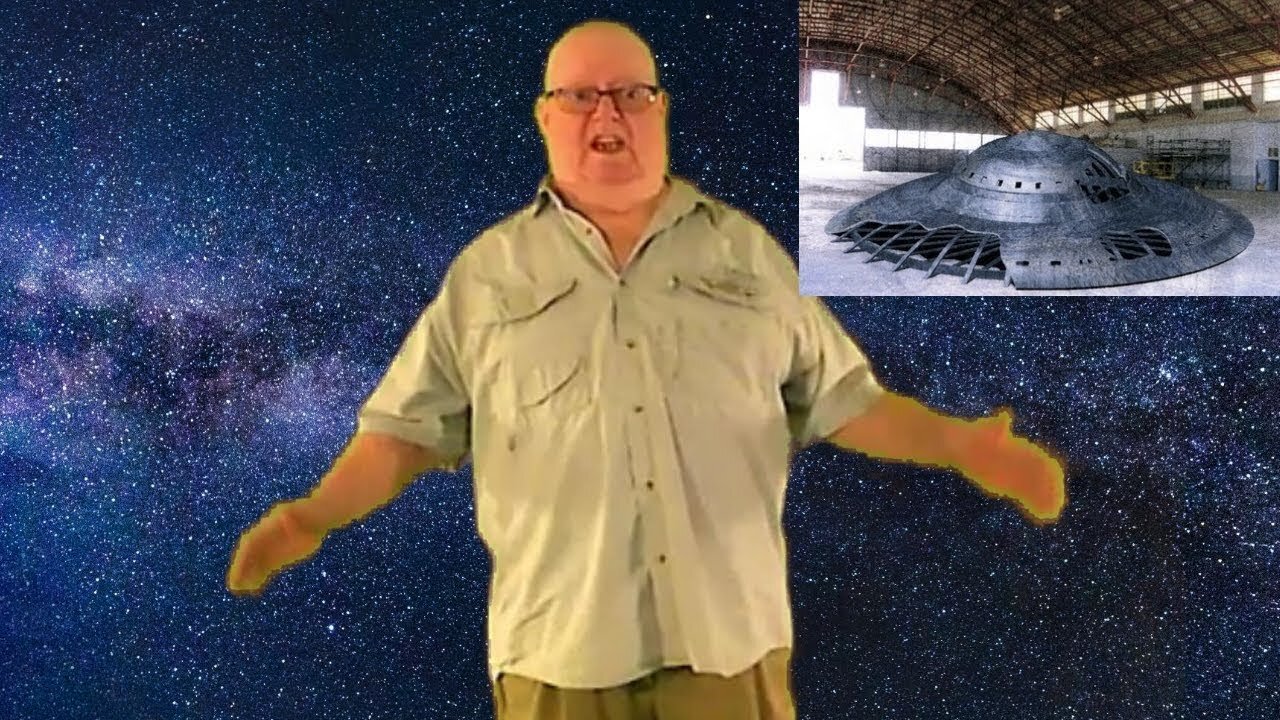
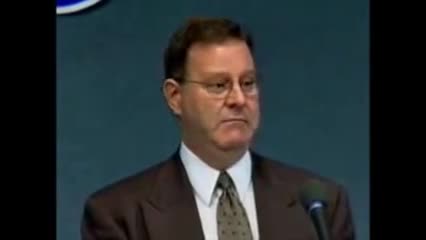
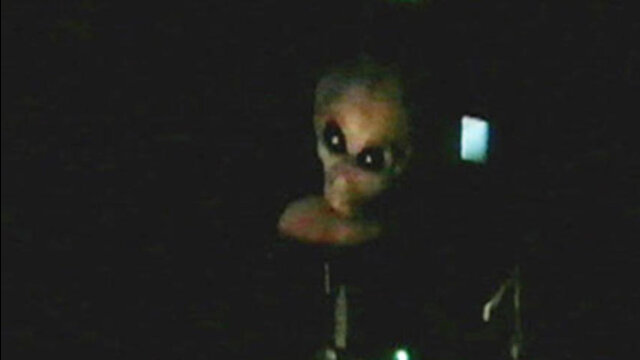
A video circulated under the title “Rare 30 year old video of Alex Collier explaining the history of our moon and aliens” presents a familiar challenge for UFO researchers: separating an intriguing historical recording from the extraordinary claims associated with it.
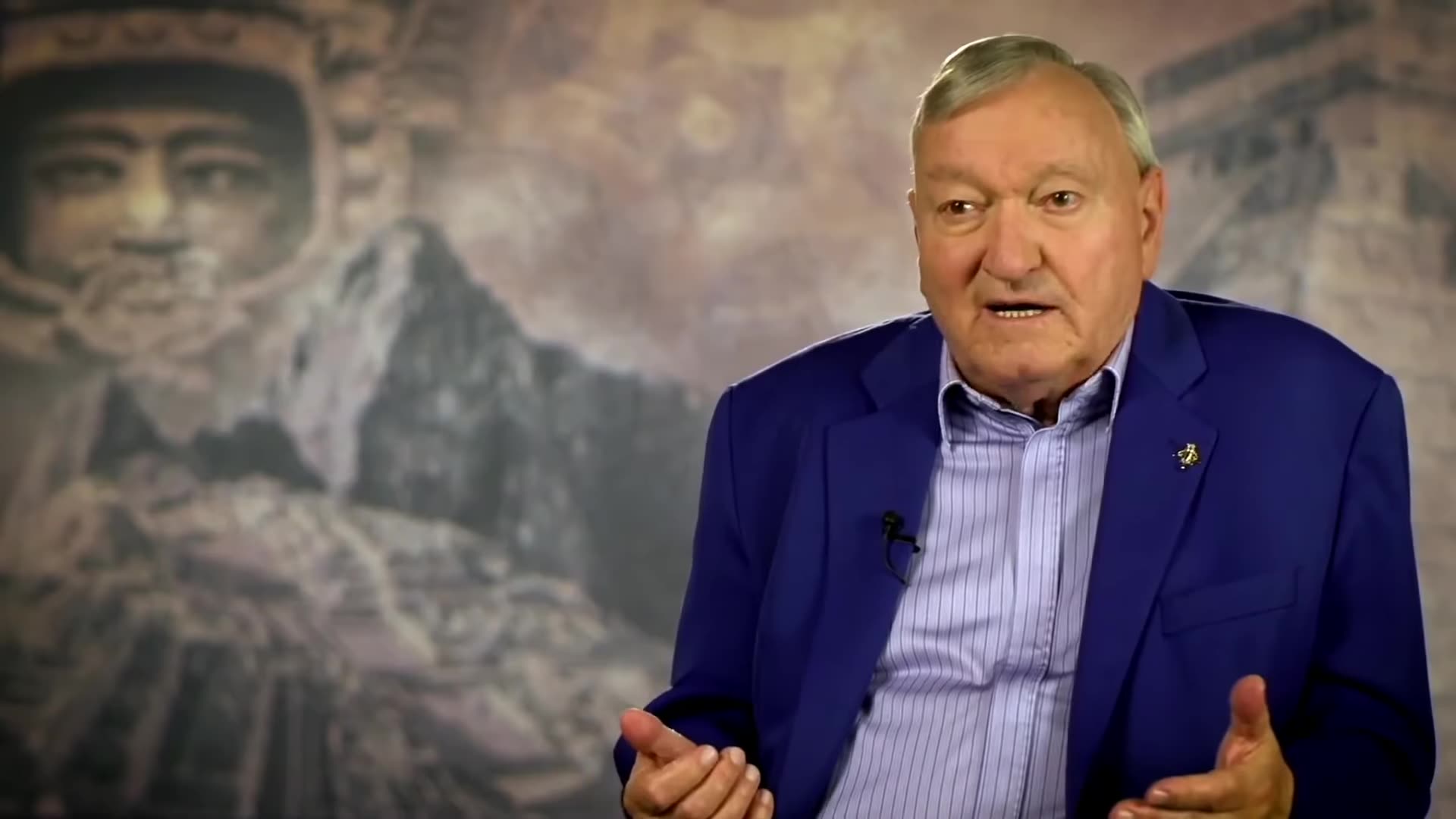
Alex Collier is a self-described contactee known in UFO circles for accounts of alleged telepathic and physical encounters with extraterrestrials from Andromeda. Since the early 1990s, he has publicly discussed purported alien involvement in human affairs, alternative ancient history, and the Moon.
The supplied description does not identify a specific original recording, verified production date, venue, or complete transcript. Consequently, this dossier examines the video's framing and the broader claims it invokes—not an authenticated, scene-by-scene account of a particular lecture.
The central distinction is straightforward: a recording can document that someone made a claim without establishing that the claim is true. Nothing supplied with this video independently verifies extraterrestrial contact or an alien explanation for the Moon’s history.
The Incident & Timeline
The reported contact narrative
Unlike a conventional UFO sighting with a defined time, location, and observable object, this case centers on a speaker’s account of private experiences. Collier attributes information about extraterrestrials and humanity’s past to alleged contacts associated with Andromeda.
These statements belong to the contactee tradition: narratives in which individuals report receiving information or guidance from nonhuman beings. That classification describes the account; it does not establish either its authenticity or deliberate deception.
What can be dated—and what cannot
The available chronology is limited:
- Early 1990s onward: Collier became known for publicly discussing his claimed extraterrestrial contacts.
- Early-to-mid 1990s: Talks attributed to this period circulate through video-sharing platforms and UFO-community sites, according to the supplied description.
- Later circulation: Older recordings have been uploaded again, sometimes with new titles and promotional descriptions.
- The featured upload: Its original recording date, upload history, editing history, and relationship to a complete lecture remain unknown.
“Thirty years old” is a relative label. Without knowing when that wording was first attached to the recording, it cannot securely establish a calendar year. Likewise, “rare” may describe limited circulation, an unusual copy, or simply promotional language.
Missing source context
A reliable reconstruction would require an original tape label, contemporaneous event listing, identifiable venue, or another traceable source. An uninterrupted recording would also help establish whether the circulated excerpt preserves the speaker’s qualifications and surrounding explanation. None of those materials is identified here.
Evidence
What the recording could establish
If the footage is authentic and the speaker is correctly identified, it could establish what Collier said during that particular appearance. It may also be useful evidence of how contactee narratives were presented to audiences at the time.
However, the source information provided does not permit precise quotations or a detailed inventory of his lunar claims. Attributing specific statements about the Moon’s construction, arrival, occupants, or internal structure to this clip would go beyond the available evidence.
What would support the extraordinary claims?
Independent confirmation would require more than testimony or the age of a recording. Relevant evidence might include:
- Physical material with a documented chain of custody and independently reproducible analysis.
- Specific, previously unavailable information confirmed through later observations under conditions that exclude ordinary access.
- Instrumental records directly supporting a claimed encounter.
- Independent witnesses whose accounts can be checked against contemporaneous documentation.
No such corroboration is identified in the supplied material. Repetition across interviews, books, or uploads does not create independent confirmation when those versions ultimately derive from the same person.
Age is not validation
A genuinely decades-old video can establish that a narrative predates current online discussion. That is historically useful, but it does not validate the narrative’s underlying explanation.
Claims that an older lecture “predicted” later discoveries require particular care. Researchers need the original wording, a secure date, and a clearly defined prediction—not a broad statement interpreted retrospectively to resemble a newer finding.
Official Explanations
No identified ruling on this video
The supplied information does not identify an official investigation or scientific assessment of this exact recording. It would therefore be misleading to claim that NASA, a military organization, or another institution has formally explained or debunked the featured lecture.
There is, however, a substantial scientific evidence base concerning the Moon that provides a benchmark for evaluating alternative accounts.
The scientific account of lunar origins
The leading scientific framework is the giant-impact hypothesis: the early Earth experienced a major collision, and material associated with that event formed the Moon roughly 4.5 billion years ago. Researchers continue to investigate the collision’s details and how different models account for lunar composition and orbital evolution.
This framework is informed by multiple kinds of evidence:
- Lunar samples, including rocks returned by Apollo missions and robotic missions.
- Measurements of isotopic composition and radiometric ages.
- Geological observations of the lunar surface.
- Gravity measurements and seismic data that constrain the Moon’s interior.
- Models of planetary formation and Earth–Moon dynamics.
These observations support a natural planetary history. They do not establish that the Moon is an extraterrestrial installation or that alien visitors supplied an accurate alternative history. Remaining scientific debates are not, by themselves, evidence for contactee claims.
Unexplained Anomalies
The unresolved questions are primarily documentary
The main uncertainties in this case concern the recording’s provenance and the basis of the testimony:
- When and where was the original talk recorded?
- Is the circulated version complete or edited?
- What exact lunar claims appear in it?
- What evidence did Collier offer beyond his reported experiences?
- Can any claimed correspondence with later discoveries survive a dated, word-for-word comparison?
These are legitimate research questions, but they are not demonstrated physical anomalies. An unknown recording date does not make the content extraordinary, and an unexplained personal experience does not identify an extraterrestrial cause.
Without further evidence, neither the claimed contacts nor a particular psychological or deceptive explanation can be established from this description alone.
Why It Still Matters
The Alex Collier Moon video matters as an example of how UFO-community history is repackaged online. Labels such as “rare,” “lost,” and “30 years old” can encourage viewers to treat a recording’s apparent age as a substitute for corroboration.
A stronger investigation preserves the distinction between historical testimony, scientific evidence, and interpretation. It asks for the earliest available version, checks the full context, and tests specific claims rather than accepting or dismissing an entire narrative on presentation alone.
For viewers interested in alien contact claims and lunar mysteries, the recording may offer insight into an influential strand of contactee storytelling. Its value as cultural history can be considered separately from its unsupported account of extraterrestrial knowledge.
Watch the video, weigh the evidence, and cast your verdict.
🛸 Community Verdict
0 votes castTap an option to vote
🛸 Spread the truth · Share this case file