Case File · Documentaries
Richard Sauder’s Hidden Empire: Underground Bases & Tunnel Systems
Documented Cold War bunkers, secret infrastructure, and disputed extraterrestrial connections
- Date
- Unknown
- Location
- United States; international scope
- Classification
- Infrastructure claims; ET links unverified
- Key witnesses
- Richard Sauder, featured researcher
Overview
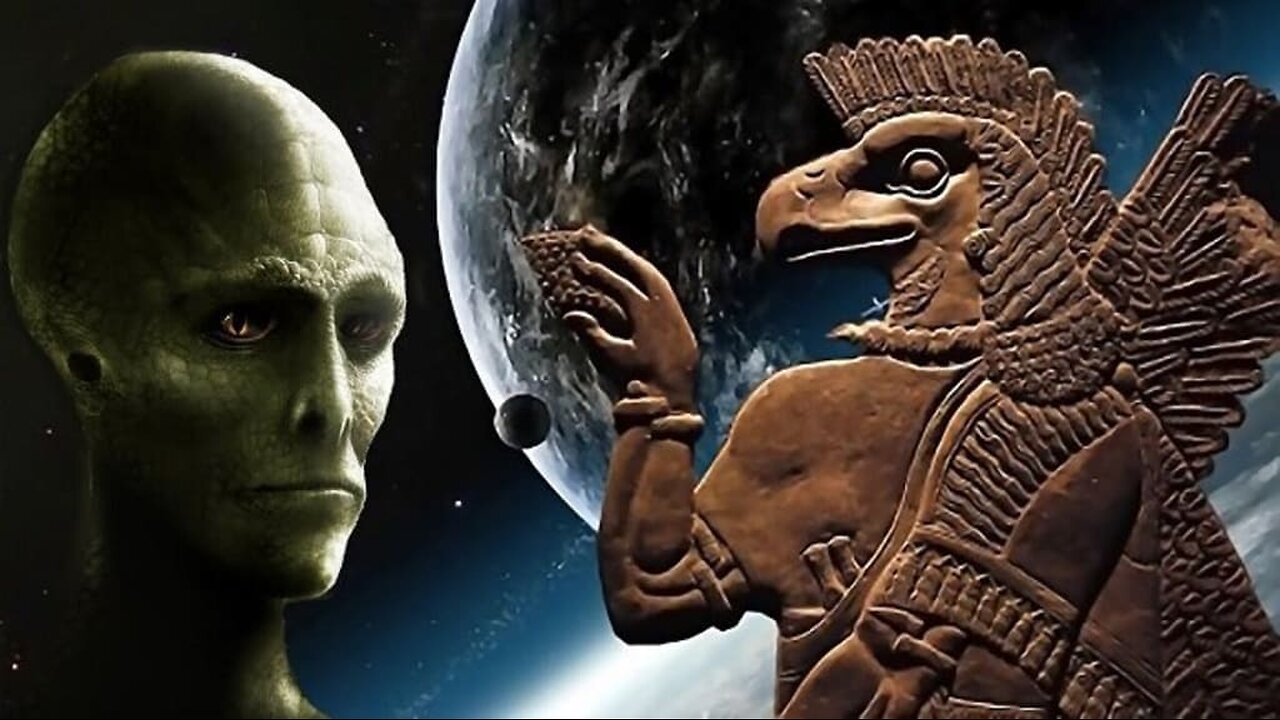
Underground military bases are real. A vast, interconnected subterranean empire tied to extraterrestrial activity is a substantially different claim—and one that public evidence has not established. That distinction is central to evaluating Dr. Richard Sauder: Hidden Empire Underground Bases & Tunnel Systems.
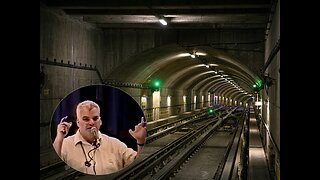
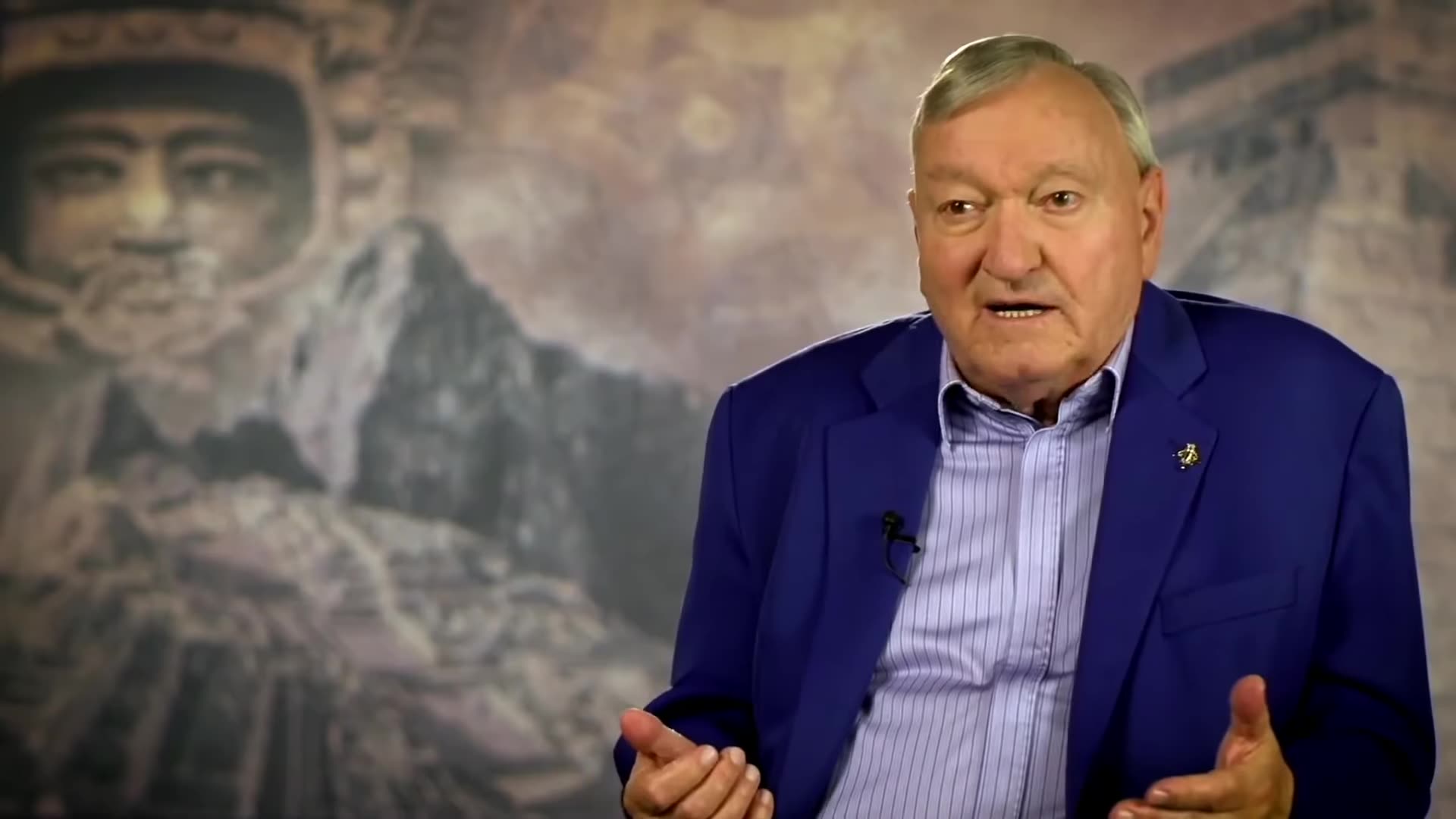
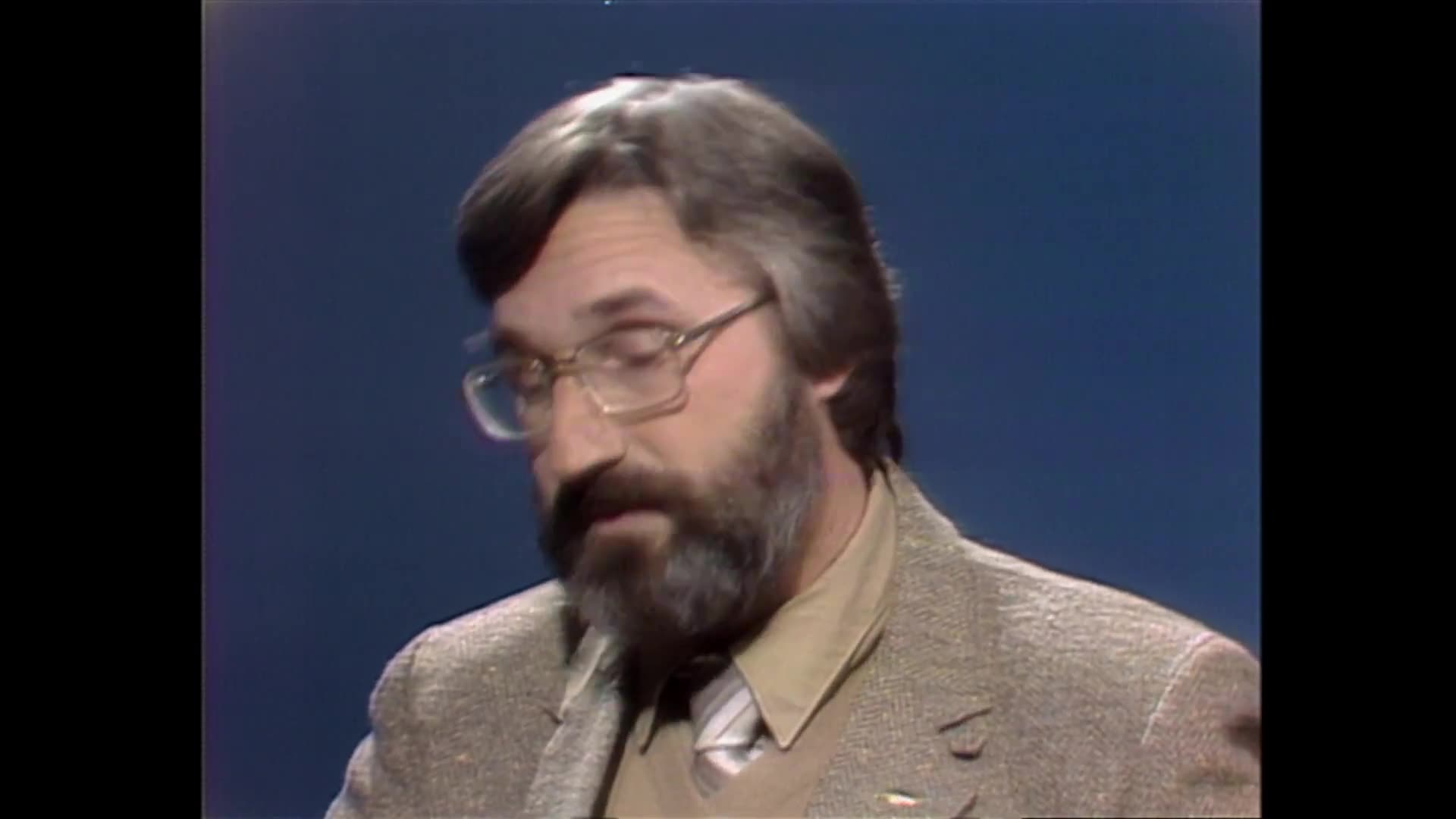
The supplied video description presents Sauder as an author and researcher examining the convergence of Cold War planning, national security secrecy, tunneling technology, classified spending, and possible extraterrestrial phenomena. It identifies his book, Underground Bases and Tunnels: What Is the Government Trying to Hide?, as a foundation for the lecture.
This case file concerns a research presentation rather than a single UFO sighting. Its central question is not whether governments build underground facilities; they demonstrably do. It is whether the available evidence supports the broader claims associated with a hidden underground network, particularly any connection to UFOs or nonhuman occupants.
The video's recording date, venue, transcript, and supporting references were not provided. Accordingly, this dossier evaluates the advertised subject and relevant historical context, not the precise contents of an independently reviewed lecture.
The Incident & Timeline
A Cold War infrastructure story
The development described in the promotional material unfolded over decades. Nuclear weapons created strong incentives to protect military command, communications, political leadership, and essential operations beneath rock or reinforced structures.
A useful contextual timeline includes:
- 1950s–1960s: The United States expanded hardened command facilities and continuity-of-government infrastructure as the threat of nuclear attack intensified.
- 1961–1966: Construction and activation of the Cheyenne Mountain complex established a prominent example of a military installation protected inside a mountain.
- 1962–1992: A concealed congressional relocation facility at the Greenbrier resort in West Virginia remained ready for emergency use. Its existence became public through reporting in 1992.
- 1990s onward: Sauder's writing helped bring underground-base research into wider UFO and alternative-research discussions.
- Lecture date unknown: The supplied description advertises Hidden Empire as a presentation connecting underground facilities, classified budgets, and possible extraterrestrial phenomena.
These events do not form a continuous evidentiary chain toward an alien-related conclusion. They establish the historical setting in which broader claims developed.
What the presentation promises
The description emphasizes an “extraordinary proliferation” of underground military, intelligence, and agency facilities. It also proposes a relationship with the “black budget.” Neither the number of facilities nor the strength of that relationship can be assessed from promotional wording alone.
Its suggestion that Sauder may be the world's leading researcher in this field is promotional characterization, not an independently established ranking.
Evidence
What is firmly documented
Several publicly acknowledged facilities demonstrate why underground construction attracts legitimate investigative interest:
- Cheyenne Mountain, Colorado: A hardened military complex associated with aerospace warning and defense functions.
- Raven Rock, Pennsylvania: A protected military command facility connected with continuity and emergency operations.
- The Greenbrier bunker, West Virginia: A formerly secret relocation facility intended for Congress.
These examples support a limited but important conclusion: governments have built substantial underground installations, sometimes withholding their existence or purpose from the public for long periods.
They do not establish that all such installations connect to one another, extend to extraordinary depths, or house extraterrestrial personnel or technology.
Technology versus demonstrated deployment
Tunnel-boring machines, drilling equipment, rock excavation, and underground construction are mature technologies. Engineers have also investigated more unusual excavation concepts, including rock-melting approaches.
However, an engineering proposal, patent, or experimental device is not proof of an operational tunnel network. Evidence must distinguish among:
- A proposed capability.
- A tested prototype.
- A funded construction project.
- A completed and operational facility.
Even a technically feasible tunnel requires logistics: power, ventilation, water management, maintenance access, and disposal or management of excavated material. Large networks would create significant engineering and resource demands, although the visibility of individual indicators would vary by site.
Evidence not available here
The supplied description contains no construction records, authenticated maps, budget documents, named firsthand witnesses, or physical samples supporting an extraterrestrial connection. That limitation does not establish that every claim in the lecture is false. It means those claims cannot be verified from the material provided.
Official Explanations
The documented rationale for hardened underground facilities is principally strategic protection. Rock cover and reinforced construction can reduce vulnerability to attack and help preserve command functions during a national emergency.
Commonly stated purposes include:
- Continuity of government and military command.
- Protected communications and warning systems.
- Storage, security, and survivability of sensitive equipment.
- Support for operations requiring restricted access.
Classified spending is also real, but “black budget” is not a single explanation for an alleged facility. It broadly describes spending whose details are withheld. A budget total, unexplained expenditure, or classified program cannot by itself identify an underground project, much less an extraterrestrial mission.
No specific official response to this lecture was supplied. It would therefore be misleading to present general government explanations as a direct rebuttal to statements that have not been independently reviewed.
Unexplained Anomalies
Secrecy leaves genuine gaps
Public knowledge of national security infrastructure is incomplete. Acknowledged facilities may retain classified layouts, capabilities, expansion histories, or operational roles. The Greenbrier example demonstrates that a significant installation can remain secret for decades.
Nevertheless, an information gap is not positive evidence for a particular hidden activity. Several possibilities can fit an unknown site or unexplained construction project; an extraterrestrial interpretation requires its own corroboration.
What would strengthen the larger claims?
Evidence for a connected subterranean network would need to establish actual connections, not merely identify separate underground facilities. Useful material could include authenticated engineering plans, independently corroborated construction records, or verifiable physical access.
Evidence of nonhuman involvement would require an additional, much stronger showing. Anonymous testimony or secondhand stories may generate investigative leads, but cannot alone establish extraordinary occupants or technologies.
Without the lecture's underlying sources, no specific anomaly can responsibly be labeled conclusively unexplained.
Why It Still Matters
Sauder's advertised subject sits at a meaningful intersection of public accountability, infrastructure history, and UFO culture. Secret facilities raise legitimate questions about spending, oversight, environmental consequences, and emergency planning, regardless of whether extraterrestrial claims prove credible.
For viewers, the strongest approach is to track each claim separately. Ask whether a source proves a facility exists, explains its purpose, demonstrates a tunnel connection, or supports something more extraordinary. These are different evidentiary tasks.
The balanced verdict is straightforward: underground national security infrastructure is documented; a unified hidden empire with extraterrestrial connections remains unverified. Keeping those conclusions separate makes the investigation more rigorous, not less interesting.
Watch the video and cast your verdict.