Case File · Abductions
Case File: Oprah, Dr. John Mack & Peter Faust on Alien Abductions
A televised encounter with abduction claims—and how Alec Newald’s separate account fits the discussion.
- Date
- Broadcast date unverified
- Location
- The Oprah Winfrey Show
- Classification
- Alien-abduction claims; unverified
- Key witnesses
- Peter Faust; Dr. John Mack
Overview
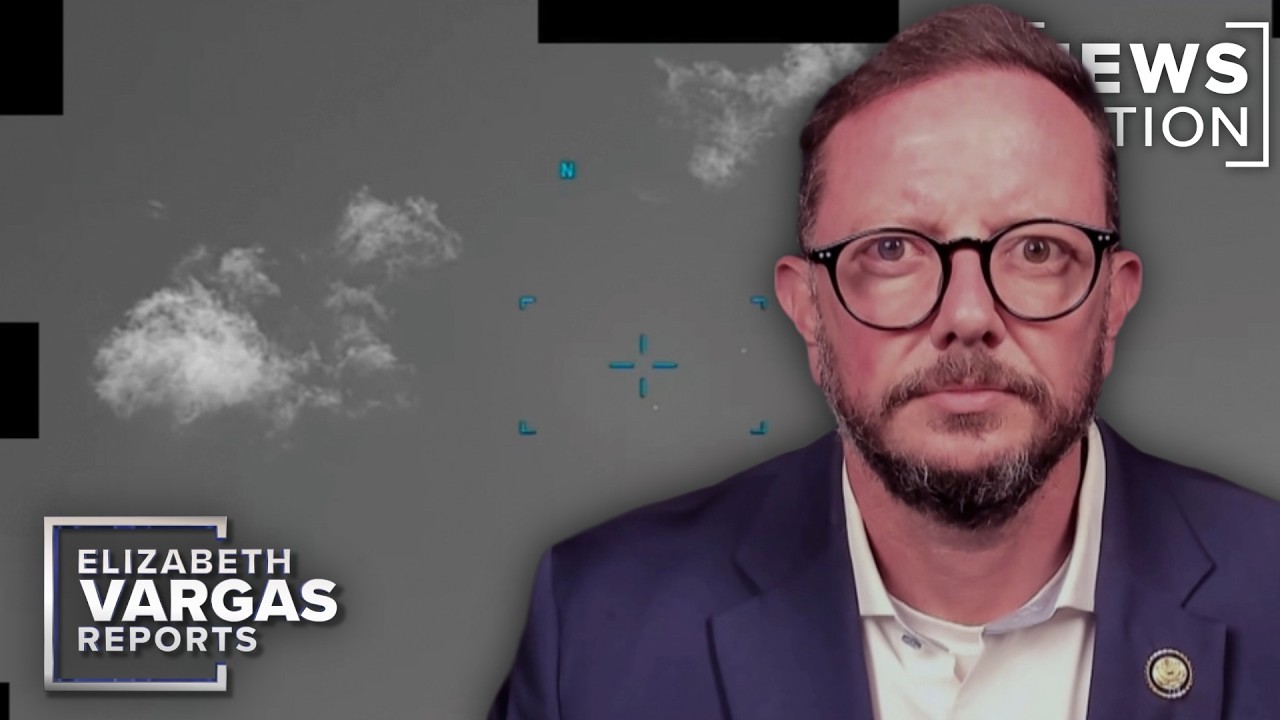
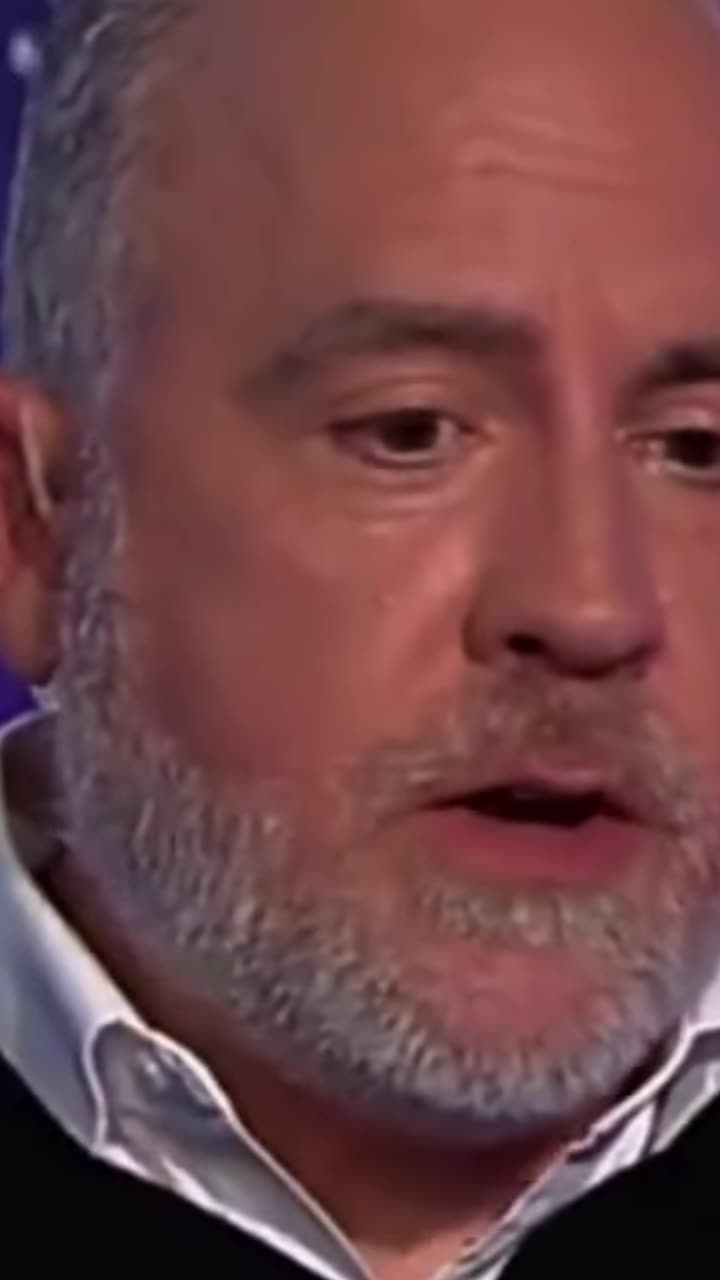
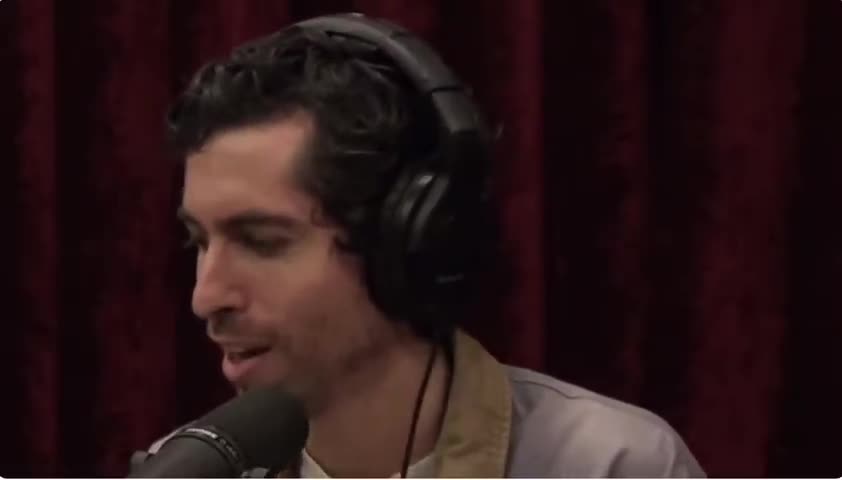
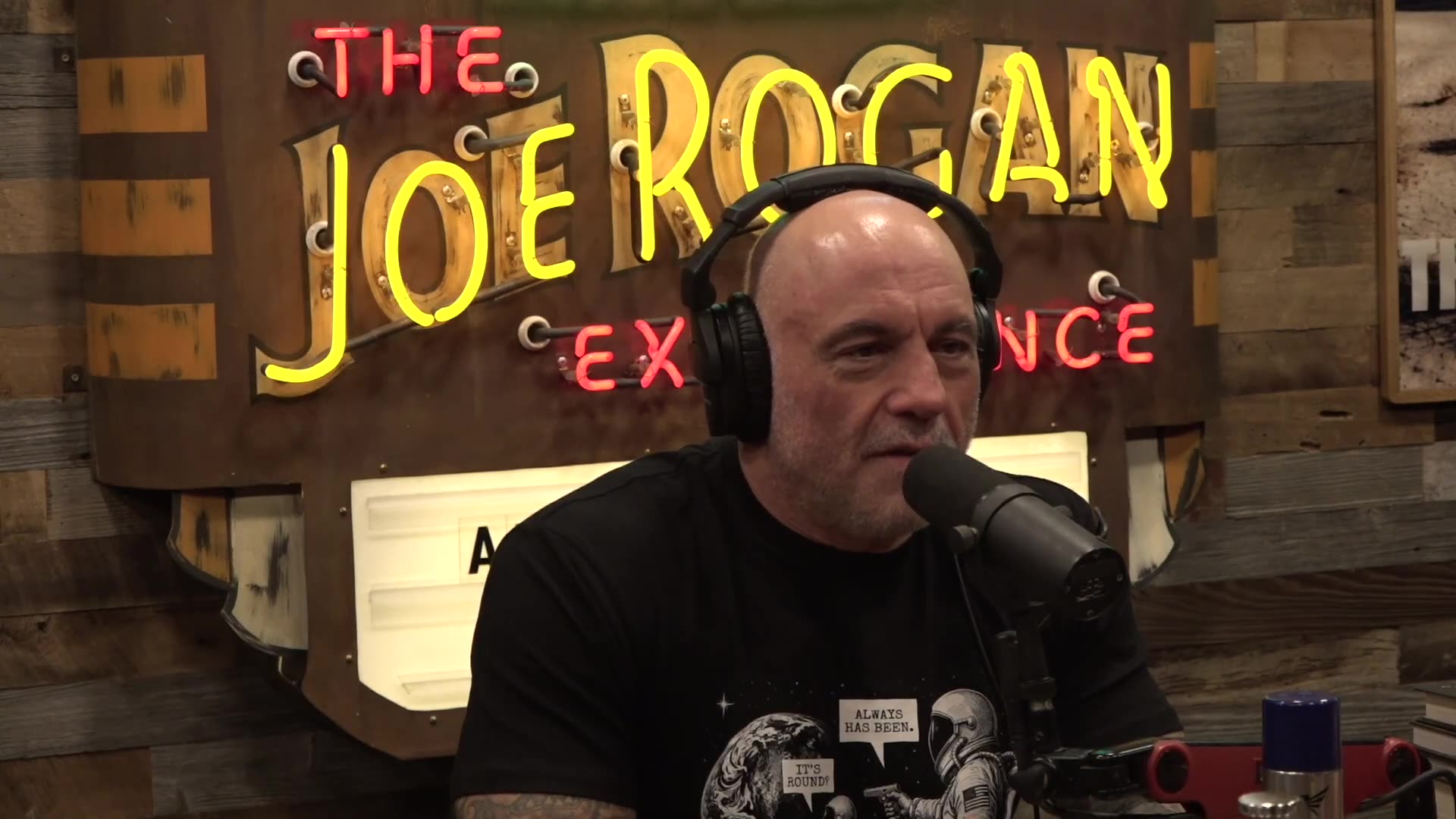
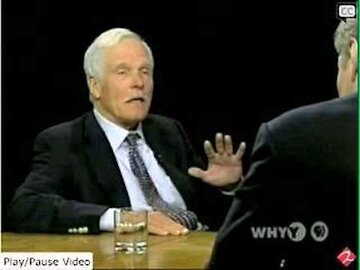
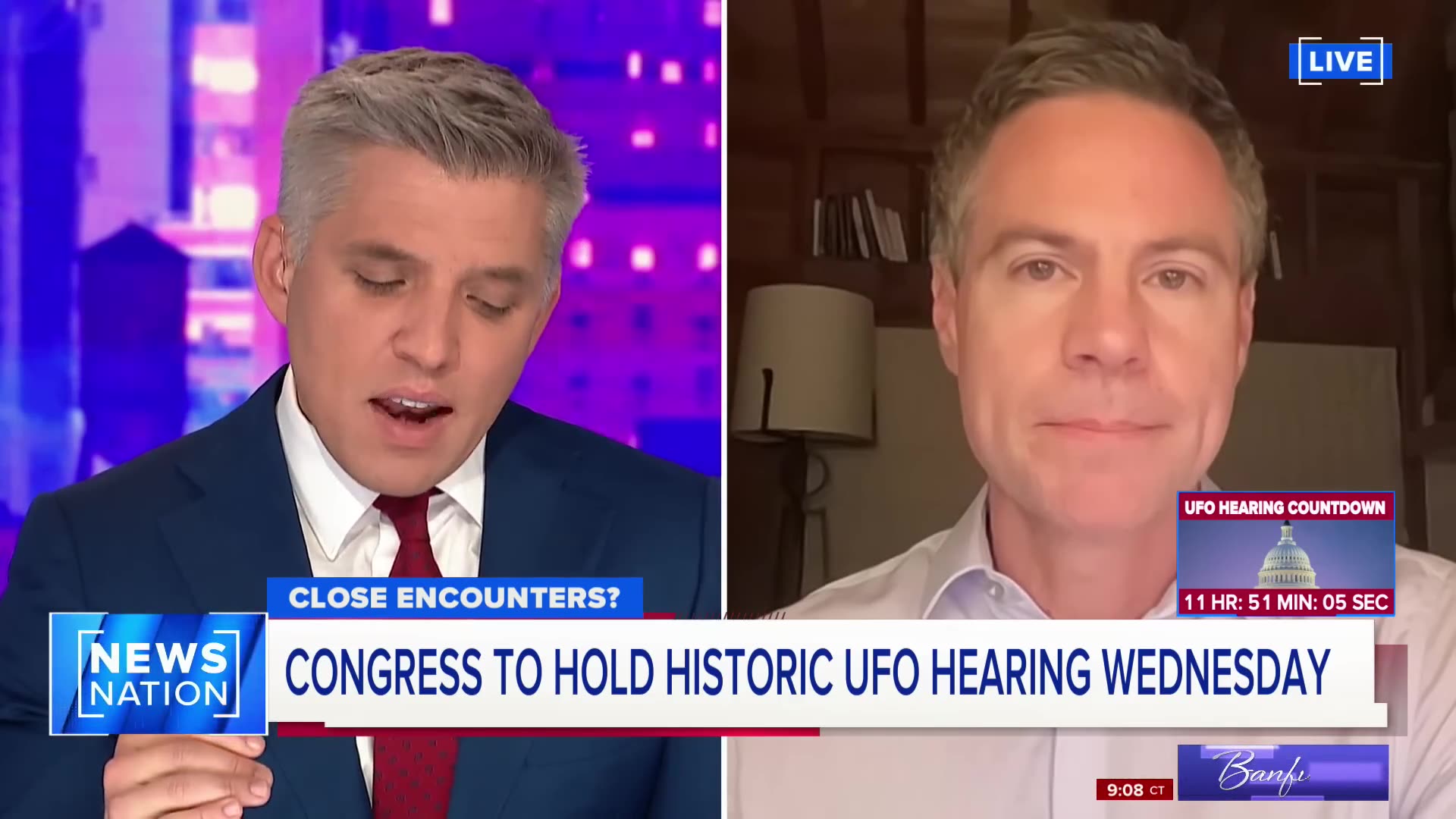
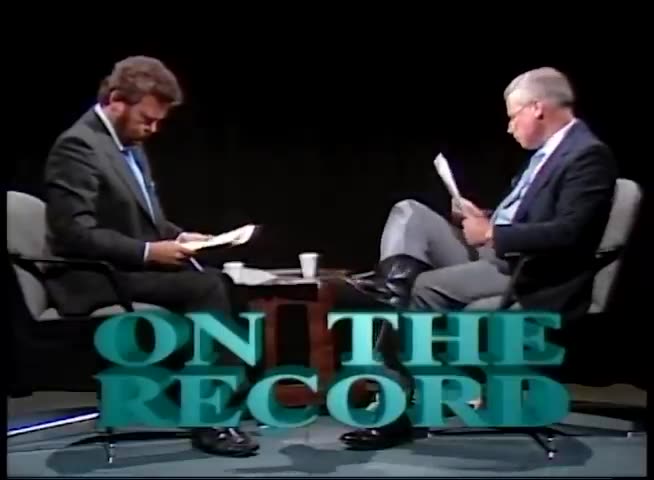
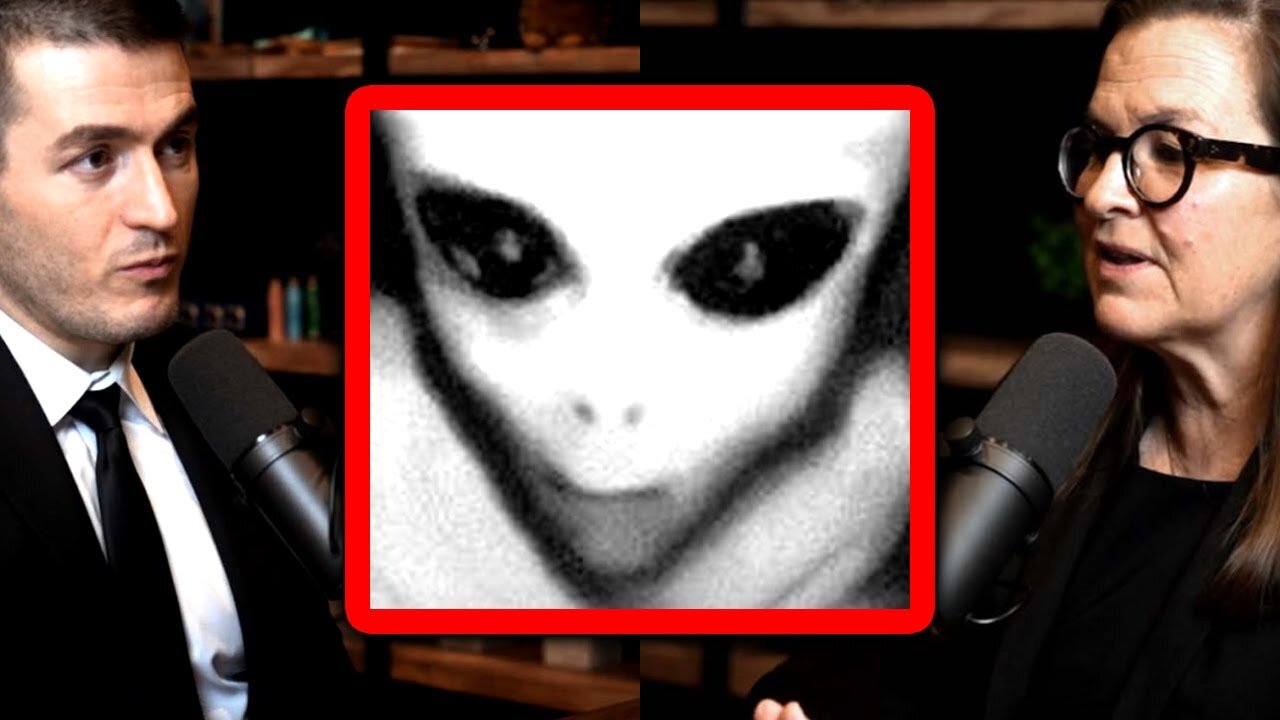
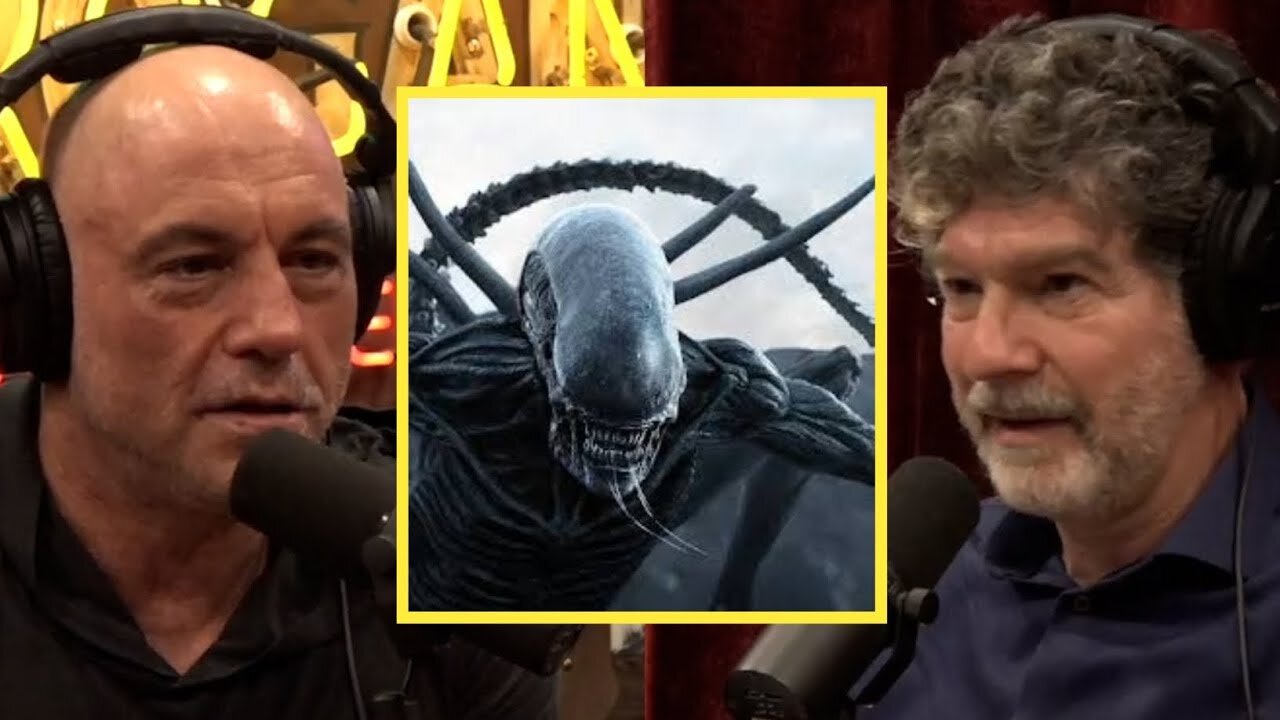
When Oprah Winfrey hosted psychiatrist Dr. John Mack and experiencer Peter Faust to discuss alien abductions, the subject reached an audience far beyond UFO conferences and specialist publications. The encounter brought together a prominent television interviewer, a Harvard psychiatrist, and a man describing experiences he understood as contact with nonhuman beings.
The central question was not simply whether Faust sounded sincere. It was whether deeply felt personal experiences could establish that extraterrestrial encounters had physically occurred. Mack’s involvement gave that question unusual visibility, but his credentials did not independently validate the claims.
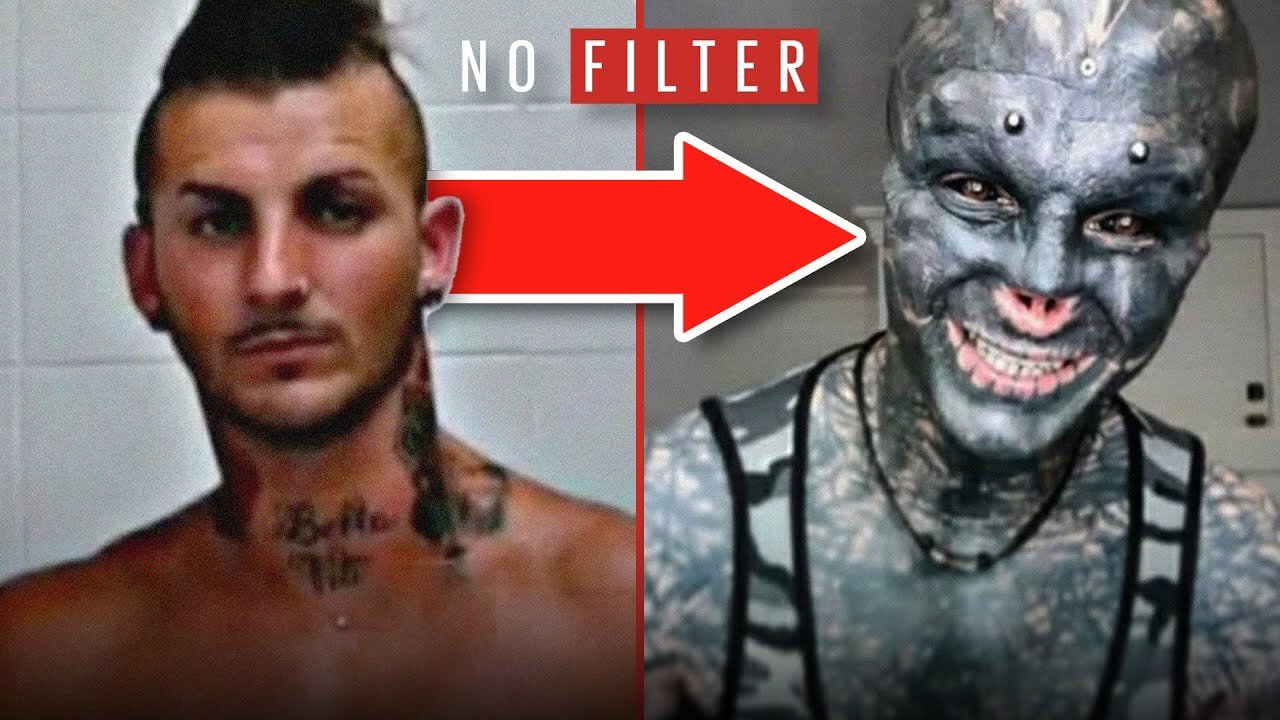
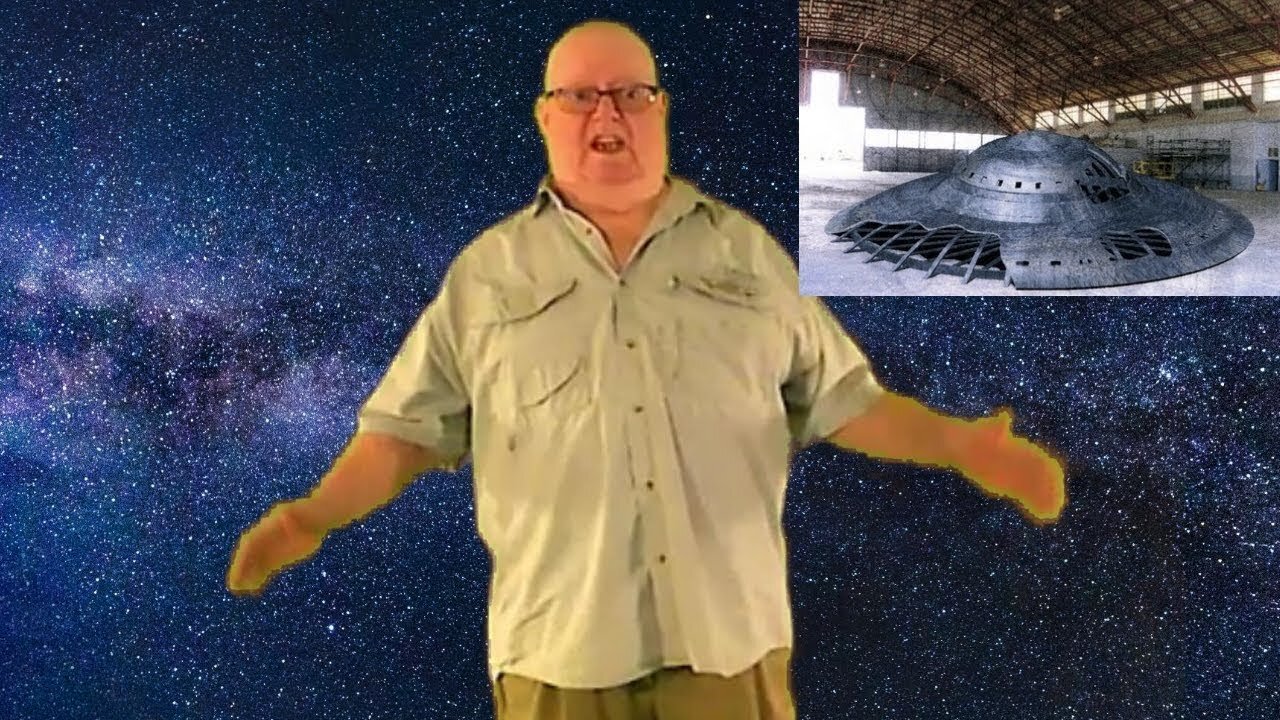
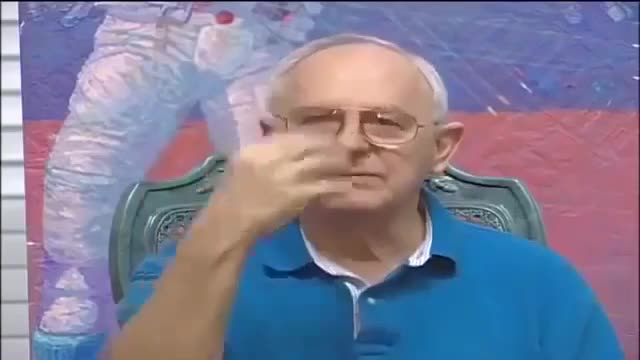
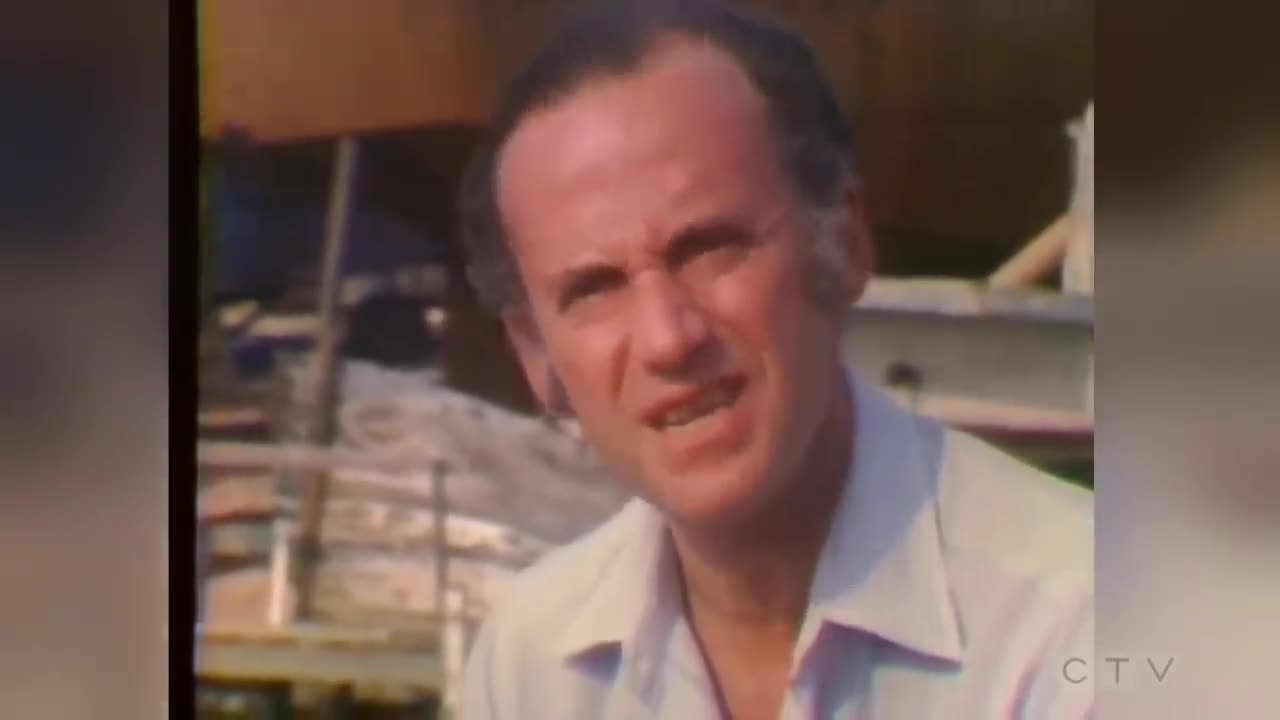
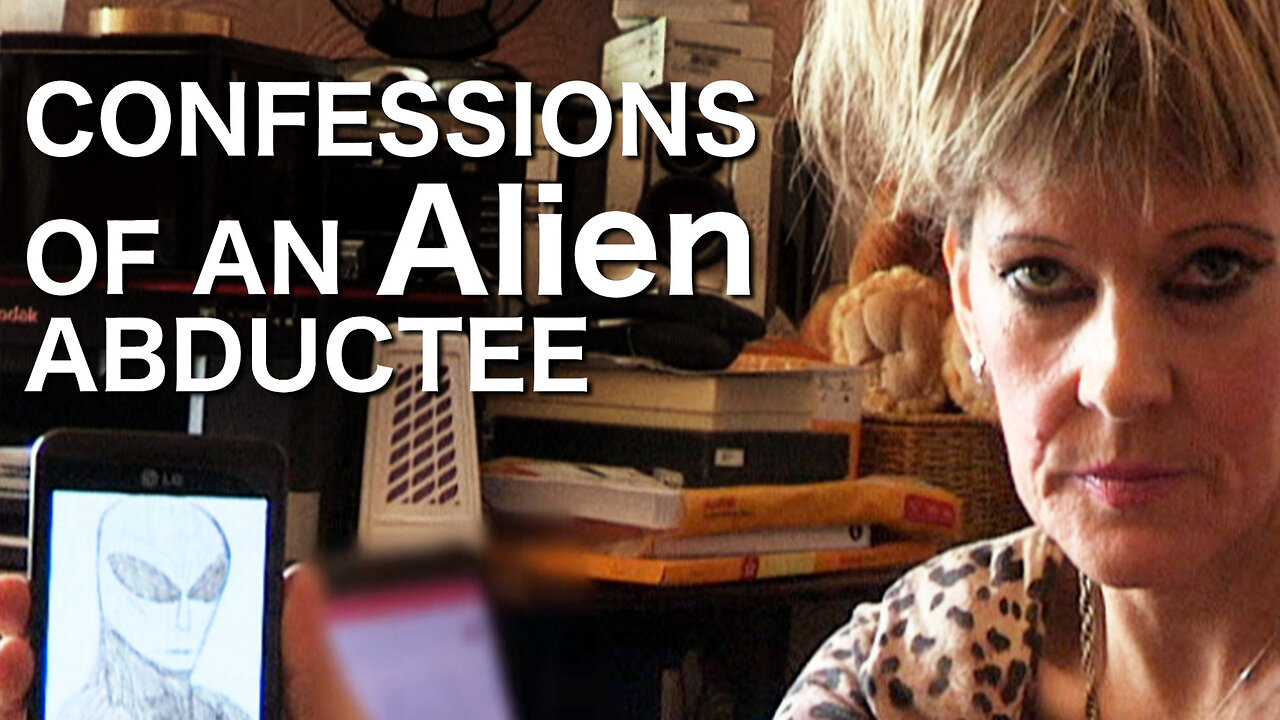
An important distinction: the related AlienTube video, The Man Who Lived With Extraterrestrials for 10 Days, concerns Alec Newald, not Peter Faust. Its description attributes a ten-day disappearance, travel to an alien planet, and extraordinary organic technology to Newald’s account. Those claims should not be reassigned to Faust or presented as testimony from the Oprah appearance.
The Incident & Timeline
The Oprah discussion
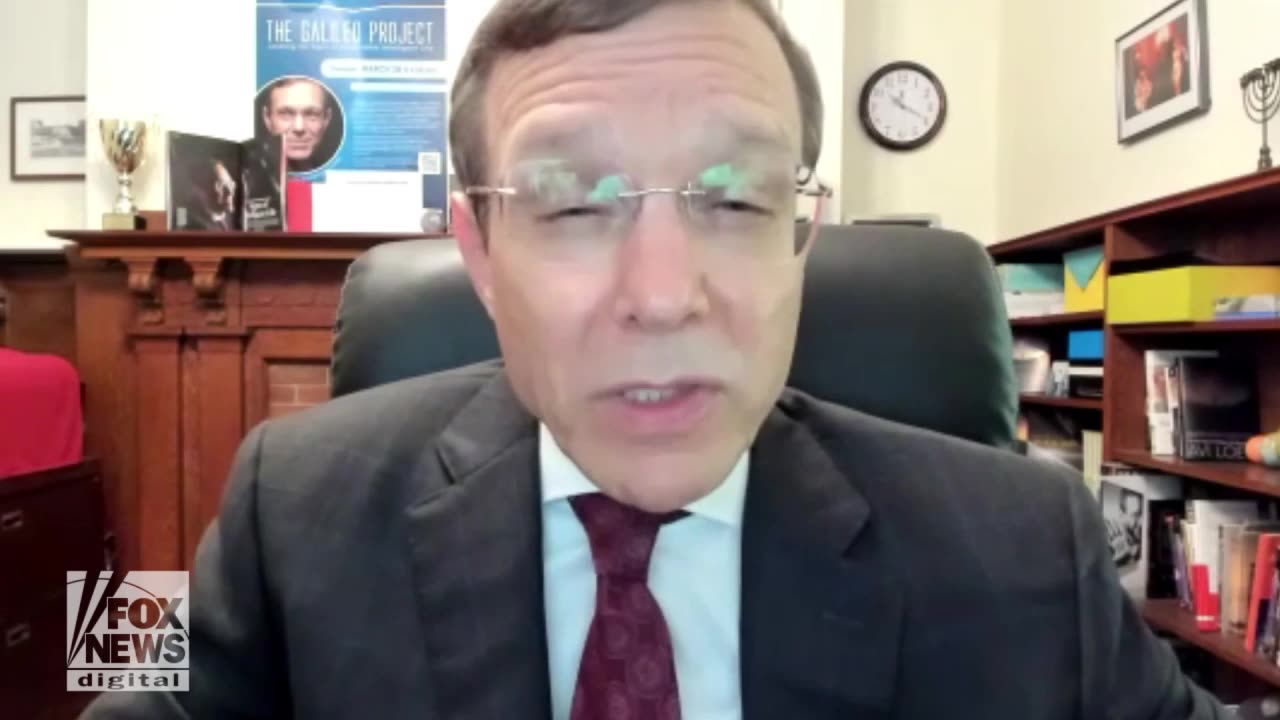
Mack became widely known for investigating people who reported alien-abduction experiences. His 1994 book, Abduction: Human Encounters with Aliens, presented case histories and argued that the experiences deserved serious investigation rather than automatic dismissal.
Peter Faust was among the experiencers associated with Mack’s work. Faust’s descriptions were part of the broader controversy surrounding remembered encounters, their psychological meaning, and their possible physical reality.
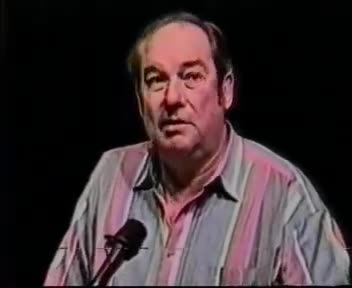
The Oprah appearance placed these issues in a television setting rather than a controlled investigation. A broadcast can document what participants say and how they frame their experiences; it cannot, by itself, establish the underlying events.
The exact broadcast date, complete episode transcript, and recording provenance have not been established for this dossier. Consequently, no precise quotations or detailed sequence of on-air exchanges are attributed to the participants here.
The separate Alec Newald account
Newald’s published narrative, CoEvolution, places his alleged experience in New Zealand in 1989. He said that a journey was interrupted by an extraordinary encounter and that he returned after an absence of ten days.
The supplied video description emphasizes his claims of visiting an alien planet and encountering advanced organic technology, including a means of “growing” a house and its surrounding environment. These are elements of his testimony, not independently demonstrated technological discoveries.
A useful chronology therefore keeps the stories separate:
- 1989: The year Newald assigns to his alleged encounter.
- 1994: Publication of Mack’s Abduction, a major milestone in public discussion of his research.
- Oprah appearance: Mack and Faust discussed abduction experiences; the exact broadcast date remains unverified here.
- Related video: Newald recounts his separate experience; its recording date is not established by the supplied description.
Evidence
What the television material can establish
An authenticated, complete recording would be primary evidence of the television discussion. It could establish the participants’ exact statements, Oprah’s questions, and whether the program included qualifications or skeptical responses omitted from circulating excerpts.
It would not automatically establish that an abduction occurred. That distinction applies equally to Newald’s video testimony.
The relevant evidence categories are:
- First-person accounts: Evidence of what an individual reports remembering or experiencing.
- Published case histories: Records of investigators’ interviews and interpretations, shaped by their methods and editorial choices.
- Broadcast footage: Evidence of public statements, but not direct documentation of the alleged encounters.
- Independent corroboration: Contemporaneous records, unrelated witnesses, or securely documented physical materials that could test specific claims.
What remains unverified
No independently verified physical artifact, biological sample, or instrument record establishing extraterrestrial contact is identified in the material supplied for this case file.
For Newald, the statement that he was missing for ten days requires a separate evidentiary check. Dated communications, employment records, witness statements, or a contemporaneous missing-person report could help establish an absence. Even a confirmed absence, however, would not establish where he went or what caused it.
Likewise, a description of organic extraterrestrial technology is not equivalent to a testable sample, reproducible process, or working device.
Official Explanations
No established case-specific finding
No government or law-enforcement conclusion about the Oprah testimony is established here. It would therefore be misleading to supply an “official explanation” as though authorities had investigated and resolved the televised claims.
Harvard Medical School did review Mack’s work following the controversy surrounding his abduction research. He remained on the faculty. Neither that outcome nor his academic position constituted institutional confirmation of alien visitation.
Relevant scientific alternatives
Researchers studying abduction reports have examined several possible contributors:
- Sleep paralysis: Episodes that can include immobility, sensed presences, and vivid perceptions around sleep transitions.
- Memory reconstruction: The normal process through which recollections can change with time, questioning, and later information.
- Suggestion and hypnosis: Practices that may increase confidence in recalled material without reliably increasing accuracy.
- Cultural expectations: Familiar imagery and narratives that can influence how ambiguous experiences are interpreted.
These are explanatory possibilities, not diagnoses of Faust or Newald. Applying any one of them to an individual requires evidence about that person’s circumstances. A witness’s sincerity does not settle whether a recollection corresponds to an external event.
Unexplained Anomalies
The unresolved features of these accounts are primarily gaps between testimony and independently checkable evidence.
For Faust, important questions include when particular memories emerged, how they were recorded, and which details—if any—were corroborated independently of interviews. A television presentation cannot answer those questions comprehensively.
For Newald, the claimed ten-day absence and descriptions of unfamiliar technology raise different investigative questions:
- Who independently documented the departure and return?
- What records were created before the story became public?
- Can any technical claim produce a specific, testable prediction?
- Is there evidence that distinguishes extraterrestrial travel from alternative explanations?
Without those answers, “unexplained” means insufficiently established or resolved. It does not mean that an extraterrestrial explanation has prevailed.
Why It Still Matters
The Oprah discussion illustrates how alien-abduction claims moved into mainstream conversation through personal testimony and professional authority. Mack challenged audiences to take experiencers seriously, while the controversy highlighted the difference between respectful listening and evidentiary confirmation.
Newald’s separate story adds another recurring theme: contact narratives involving transformative experiences and technologies far beyond demonstrated human capabilities. Such accounts can be culturally compelling without meeting the standards required to establish their literal claims.
For viewers researching John Mack, Peter Faust, Oprah’s alien-abduction discussion, or Alec Newald’s ten-day encounter, the essential safeguard is attribution. Keep the witnesses, timelines, and sources distinct. Assess what each source actually demonstrates, and leave uncertainty visible where corroboration is missing.
Watch the related video and cast your verdict.