Case File · Sightings
1966 Tully UFO Landing: George Pedley and the Saucer Nest
A Queensland farmer’s sighting, a circular reed bed, and an enduring Australian UFO mystery.
- Date
- 19 January 1966
- Location
- Horseshoe Lagoon, Euramo, Queensland, Australia
- Classification
- Reported UFO sighting and vegetation trace
- Key witnesses
- George Pedley; Albert Pennisi examined the site
Overview
The 1966 Tully UFO incident became one of Australia’s best-known “saucer nest” cases: a reported sighting of an unusual object followed by the discovery of a circular disturbance in swamp vegetation. The event occurred at Horseshoe Lagoon, near Euramo, south of Tully in North Queensland, on 19 January 1966.
George Pedley reported seeing an object rise from the lagoon while he was working on property associated with farmer Albert Pennisi. A roughly circular area of flattened or displaced reeds was subsequently examined and photographed. The combination of an eyewitness account and a visible ground-level trace attracted police attention, an official assessment, and extensive publicity.
However, calling this a confirmed UFO landing goes beyond the evidence. Pedley’s account concerned an object departing the lagoon, not a witnessed touchdown. The vegetation disturbance was real enough to inspect, but its cause was not established conclusively.
The Incident & Timeline
19 January 1966: Pedley’s encounter
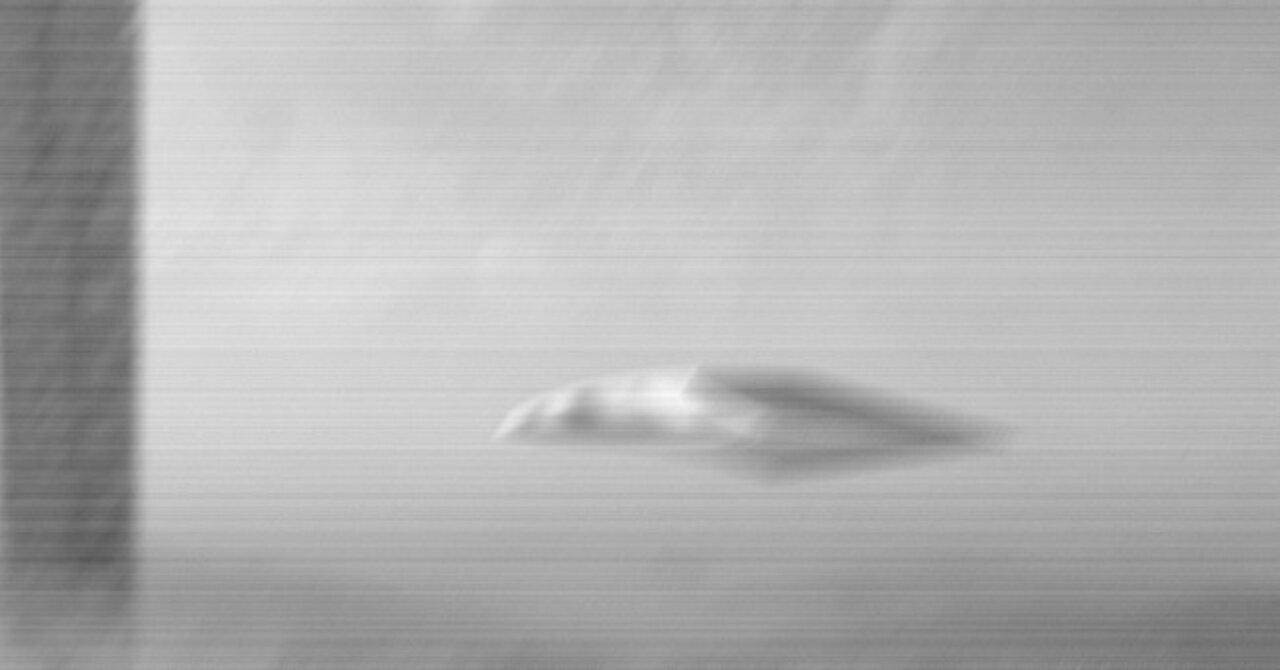
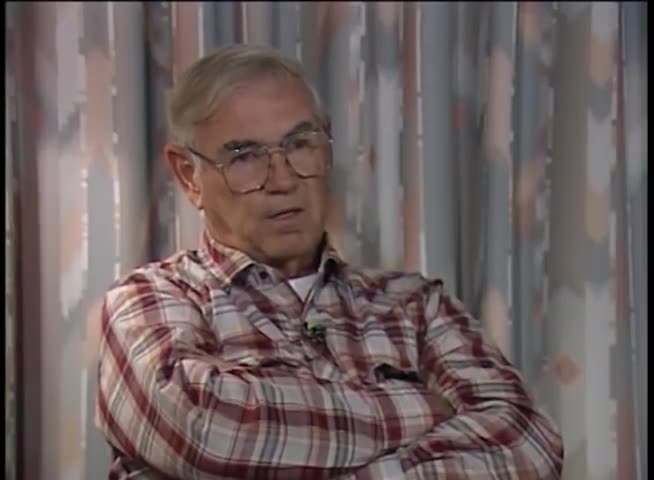
According to the account generally associated with the case, Pedley was driving a tractor near Horseshoe Lagoon during the morning when a hissing sound drew his attention. He reported seeing a grey or blue-grey, saucer-like object rise above the swamp and depart rapidly.
Published retellings differ in their descriptions of its dimensions, altitude, and movement. These estimates should not be treated as instrument measurements. The central claim is more consistent: Pedley said he observed an unusual object leaving the lagoon, then found a circular disturbance where he believed it had been.
Accounts also describe a temporary interruption to the tractor’s operation. Without a mechanical examination establishing a connection, that detail cannot demonstrate electromagnetic interference or any other effect caused by the reported object.
Discovery of the “nest”
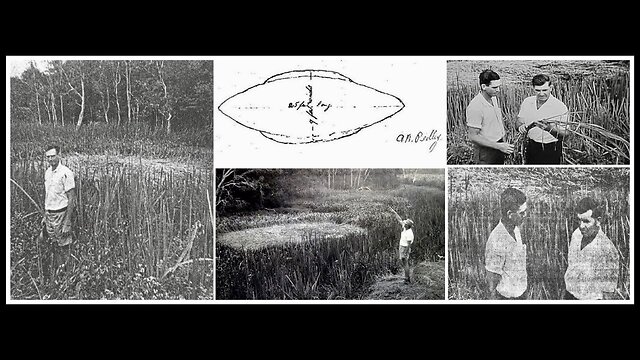
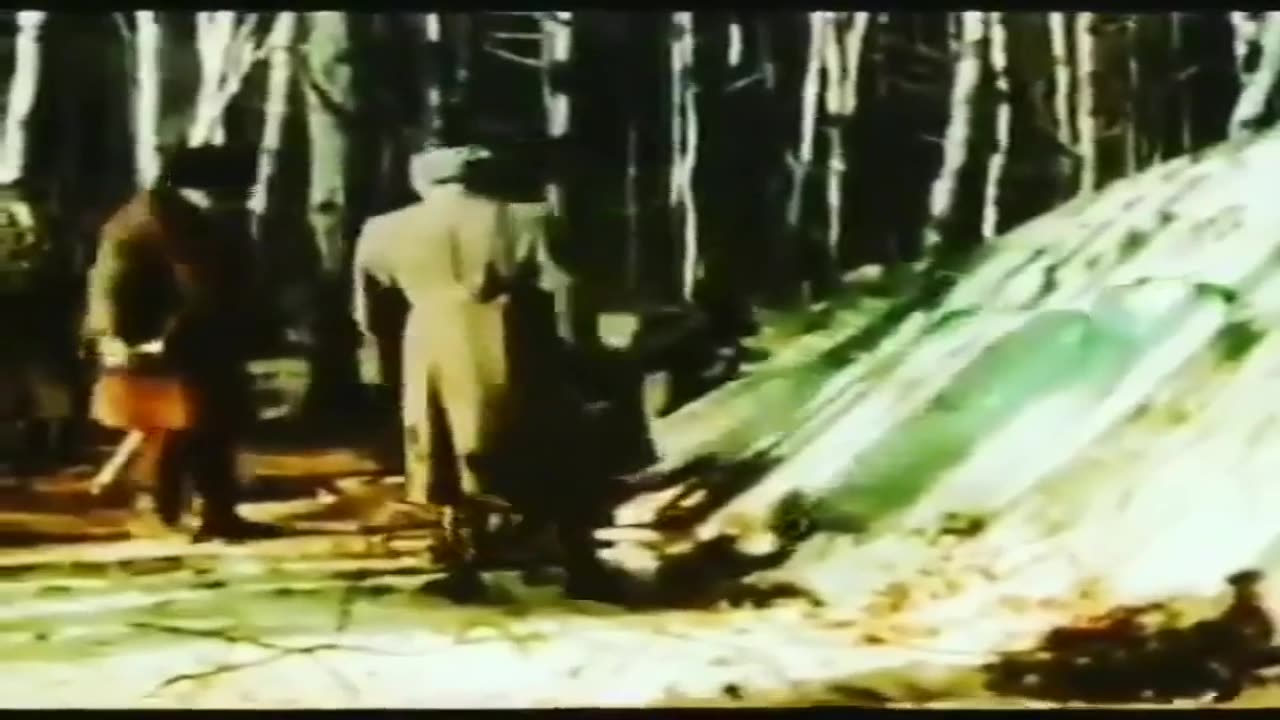
Pedley alerted Pennisi, and the disturbed vegetation became the focus of the investigation. Descriptions commonly place the principal circle at approximately 30 feet, or nine metres, across. Reeds were described as flattened, interwoven, or arranged in a rotational pattern, with vegetation lying at the water’s surface.
The term “saucer nest” was a memorable description, not a scientific classification. It implied an association with the reported craft that still required proof.
Investigation and publicity
- Initial report: Pedley described the sighting and the lagoon disturbance.
- Local examination: Pennisi and others inspected the site; police became involved.
- Official consideration: The report entered the Australian UFO-reporting system and received Royal Australian Air Force attention.
- Public attention: Photographs and news coverage made Tully a prominent Australian UFO case.
- Later discussion: Further reported circles and regional sightings broadened the story beyond the original encounter.
Not every additional “nest” had an independently witnessed formation or a securely established creation date. Their discovery should not automatically be counted as evidence of repeated landings.
Evidence
Eyewitness testimony
Pedley’s report is the central evidence for an airborne object. Pennisi is important as a participant in the site examination and the case’s subsequent history, but he should not be presented as an independent witness to Pedley’s original sighting.
This distinction matters: several people can confirm that disturbed vegetation existed without confirming what caused it. A sincere eyewitness can also misjudge an unfamiliar event, particularly during a brief observation without reliable distance references.
Photographs and vegetation
Photographs document the lagoon disturbance and help establish that the case was not merely an unsupported story about a mark nobody else saw. They do not show the reported object or the disturbance being created.
The evidential limitations include:
- No authenticated photograph or film of the departing object is established in the case.
- No publicly established radar track independently confirms Pedley’s observation.
- No verified exotic material or manufactured component establishes a technological origin.
- The lagoon was not preserved as a controlled scene with comprehensive environmental measurements.
Water movement, plant condition, weather, and subsequent visitors all complicate interpretation. A striking circular pattern can merit investigation without identifying its own cause.
The anniversary archive claims
The accompanying video description places the case within a broader historical review by UFO Research Queensland editor Lee Paqui. It says archival work identified earlier Queensland “saucer nests” and a period of intense regional UFO activity preceding Tully.
That is a research claim to examine, not an established causal connection. The description’s reference to an “agency responsible” assumes that separate events shared a cause. Testing that interpretation requires dated reports, original descriptions, geographical comparisons, and consideration of ordinary environmental processes.
Official Explanations
The official explanation most often associated with Tully is a whirlwind or localised atmospheric vortex. Such an event was proposed as a mechanism capable of disturbing reeds and producing an appearance that might be interpreted as an unusual object.
This offers a natural explanation connecting the vegetation pattern with a short-lived visual phenomenon. It does not mean investigators directly observed a vortex at Horseshoe Lagoon that morning.
A convincing reconstruction would require information about local weather, water depth, plant strength, and the forces needed to produce the observed pattern. Those conditions were not documented sufficiently to settle every aspect of the case.
Conversely, weaknesses in the vortex explanation do not establish an extraterrestrial alternative. “Not fully reconstructed” and “alien spacecraft” are very different conclusions.
Unexplained Anomalies
Three questions remain central to the Tully saucer nest debate:
- What did Pedley see? His description is suggestive of a structured object, but independent observation or instrumental evidence is lacking.
- How did the principal circle form? The vegetation disturbance was documented, but no one is established as having watched its formation.
- Were other nests related? Similar-looking traces may share a mechanism, yet appearance alone cannot prove a common origin or recurring visitor.
The strongest feature of the case is the reported proximity between the sighting and the discovered trace. Its principal weakness is the missing evidential bridge between them. Finding a disturbance after seeing something unusual supports investigation; it does not by itself establish that the object made it.
Why It Still Matters
Tully helped popularise the idea of UFO-associated vegetation circles well before the later international crop-circle phenomenon. Its importance is therefore historical as well as investigative: it shows how testimony, a physical-looking trace, official interpretation, and memorable media language can combine into a lasting UFO narrative.
The accounts of George Pedley and Albert Pennisi remain valuable for understanding what participants reported and how they interpreted the site. Later recollections should nevertheless be compared with contemporary reporting rather than treated as substitutes for it.
The balanced verdict is that Tully remains a notable reported UFO encounter with a documented vegetation disturbance—not a demonstrated extraterrestrial landing. The archival material highlighted by UFO Research Queensland may add context, but each claimed connection needs its own evidence.
Watch the video, weigh the accounts, and cast your verdict.